

Why Identification Comes First
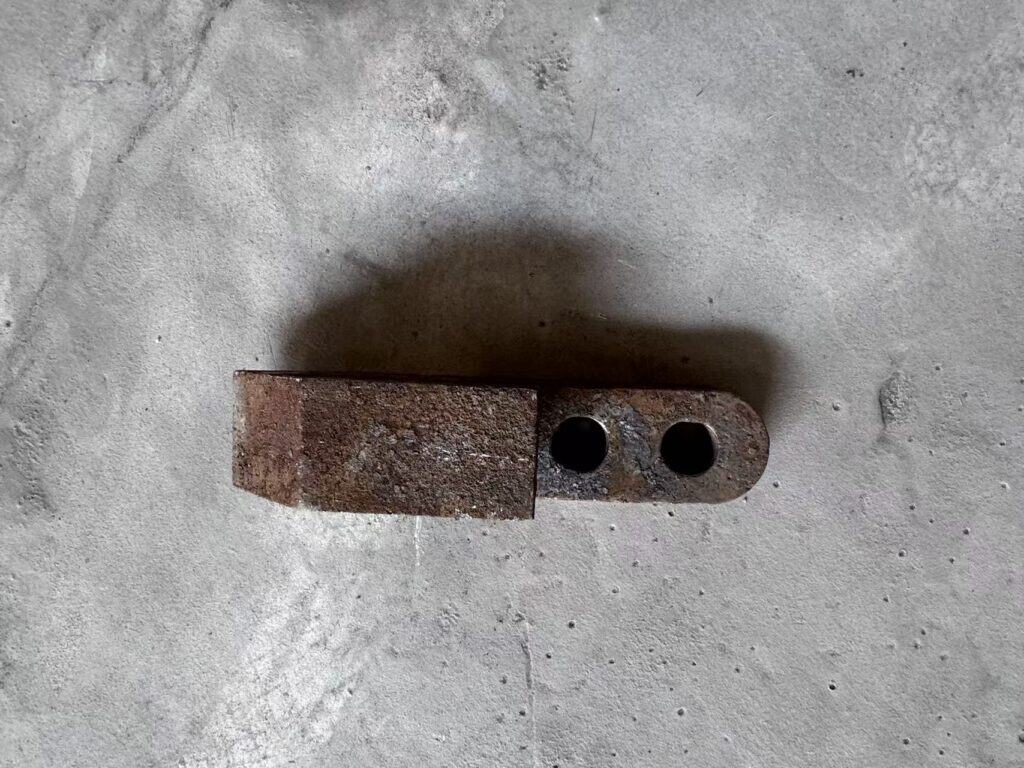
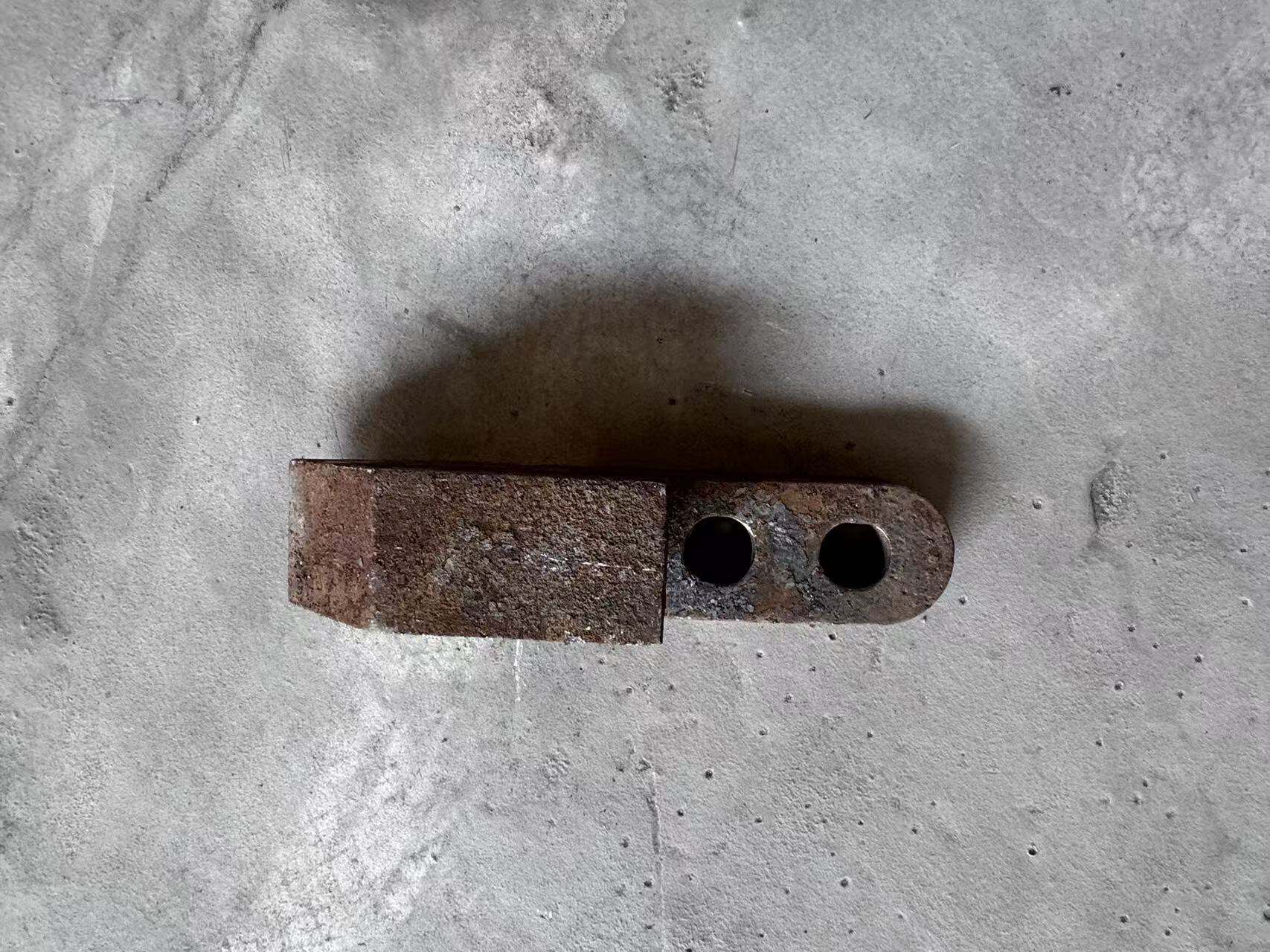
Bucket teeth are not interchangeable across machines, buckets or mounting systems. Ordering the wrong tooth can waste a shipment and extend a shutdown. Much of the information needed to assess a replacement is on the tooth itself: a part number, the mounting geometry and a few measured dimensions. This five-step process shows what to record before requesting a quotation.
Step 1: Look for a Part Number on the Tooth
Start with the casting itself. Many manufacturers stamp a part number on the tooth body — typically on the side wall, the back face near the pin hole, or the top of the adapter. Clean off the dirt with a wire brush; the stamp may be shallow.
Common reference styles you might see include:
| Style family | Typical part numbers | What it tells you |
|---|---|---|
| CAT-style two-piece | 1U3302, 6Y3222 series | CAT and CAT-style adapter systems |
| Hensley-style | X156, 156 series | Hensley-style tooth and adapter systems |
| H&L-style | 230SP (230 series) | H&L tooth and adapter systems |
A legible number is the strongest single identifier. Send it to us with the machine model so that we can assess the replacement against it. If the stamp is worn off, continue with the remaining steps.
Step 2: Note the Machine Make, Model and Size
Write down the excavator, loader or backhoe make and model, plus the bucket width if you can measure it. Tooth families are sized to the machine class — a tooth for a 20-ton excavator will not fit a mini. Record the machine make as well; adapter geometry differs between systems.
Step 3: Identify the Mounting and Locking System
Look at how the tooth attaches to the bucket:
- Pin-on (two-piece): the tooth slides onto a permanent adapter and is held by a pin or lock. Only the worn tip is normally replaced.
- Weld-on (integral): the tooth is welded directly to the bucket edge — replacement involves cutting and re-welding.
- Lock-type / clamp-on: the tooth is secured with a mechanical lock or clamp instead of a conventional pin.
Photograph the pin, lock or weld area. That photograph helps distinguish mounting systems that may look similar from the tip end.
Step 4: Take the Key Measurements
If no part number is legible, measure the tooth with calipers where accessible:
- Overall length, from tip to back
- Width at the base, where the tooth meets the adapter or bucket
- Pin-hole diameter and the distance from the hole center to the back
- Box-section depth — how deeply the tooth slides onto the adapter
Those measurements, together with the machine model and clear photographs, give us a practical basis for assessing the tooth family when the stamp is gone.
Step 5: Send Us the Photos and Details
Send us the following information so that we can assess the tooth and prepare a quotation:
- The tooth from 2–3 angles, including the tip, side, back and pin area
- Machine make, model and bucket width
- Any part number you can read
- The four measurements from Step 4 if the number is worn
- Quantity needed and delivery destination
We assess custom castings from drawings and, where no drawing exists, can evaluate making tooling from a sample. Quotation requests receive a response within 24 hours.
For the full range, see our bucket teeth page. For the material choice, read our forged vs cast bucket teeth guide. Ready to send a photo? Contact us.
Part numbers are quoted for identification only. Huasuma is an independent foundry and is not affiliated with Caterpillar, ESCO, Hensley, H&L, Komatsu, Hitachi, Volvo or MTG.