
Incinerator Grate Bar
The material of a grate directly determines its high-temperature and wear resistance. Our waste incinerator grates are made from high-strength, wear-resistant materials, incorporating our proprietary


Please Fill the form
we'll connect you within hours
Washing, pulping, dewatering, and conveying equipment works in the harshest mixed environments: alkaline slurries at pH 8–12, acidic and wet chemical media, abrasive fibers, sand and fillers — corrosion and wear attacking the same part at the same time. Ordinary 304 stainless wears out too fast; ordinary cast iron corrodes too fast. Huasuma casts the parts that survive both: high-consistency pulper rotors, impellers, screw shafts and inlet chambers for the paper and wood industry, plus corrosion-resistant hammers, rake teeth, and forged connecting rods for chemical and process equipment.
Materials are matched to the duty: Cr26/Cr28 high-chrome cast iron for abrasive-corrosive wet-end service, AISI 420 martensitic stainless for hardness with toughness and corrosion resistance, S12108 (309S-type) heat- and corrosion-resistant stainless for hot chemical duty, and duplex stainless for oxidizing bleach environments. Lost-foam, sand, and investment casting processes are selected per part geometry, with dimensions built to your equipment.
The high-consistency rotor is the working heart of the pulper: spinning in 12–18% consistency stock, it must defiber recycled paper efficiently while alkaline slurry and abrasive contaminants — sand, filler, ink particles — grind at every surface. AISI 420 stainless rotors (HRC 48–52 quenched and tempered, ≥20 J/cm² impact toughness) balance hardness, toughness, and corrosion resistance for medium-wear duty and deliver the best cost-performance. Cr26 high-chrome iron rotors (HRC 56–62) outlast stainless in extreme-wear service with heavily contaminated recycled furnish — typically 2–3× the wear life of 304 in pulping conditions. Rotors from 800–1,500 mm diameter and 150–500 kg are cast to your pulper’s tank volume.
Pulper impellers in 304 stainless or Cr26 high-chrome iron (HRC 56–62) serve pulpers from 10 to 50 m³, resisting fiber wrapping and abrasive erosion. Dewatering screw shafts combine a Cr26/Cr28 high-chrome wear surface (HRC 58–64) with a 420 stainless shaft body — wear resistance where the screw meets the stock, structural strength along the shaft — for high-pressure dewatering and thickening duty. Inlet chambers in 420 stainless (HRC 48–52) withstand continuous slurry scouring at the pulper feed. All are dimensioned to mainstream pulper and thickener models, with custom sizes on request.
Crushing wet, acidic fertilizer and chemical feed destroys ordinary hammers twice over: impact wear plus corrosive spalling of the hammer face. AISI 420 martensitic stainless hammers solve both — HRC 48–52 after quenching with ≥20 J/cm² impact toughness after tempering, and a surface that does not rust or delaminate in wet, acidic duty. Compared with conventional high-manganese hammers, 420 hammers hold their face far longer in fertilizer service, extending continuous run time between change-outs. Shell-mold precision casting delivers consistent geometry piece after piece.
S12108 stainless (309S-type: Cr 22–24%, Ni 12–15%) rake teeth and guard plates serve classification and dewatering equipment in hot, corrosive chemical environments: continuous service up to 800 °C with strong oxidation and sulfidation resistance. In acid and alkali duty they outlast high-manganese steel equivalents 2–3×, because the section no longer erodes from corrosion between abrasive losses. Mechanical properties in solution-treated condition: ≥450 MPa tensile, ≥245 MPa yield, ≥20% elongation, ≥40 J/cm² impact toughness at HB 180–210.
The connecting rod converts rotation into reciprocation — and lives under cyclic tension-compression plus bending at extreme fatigue stress. Huasuma forges rods in 40Cr and 42CrMo4 alloy steel (45# and QT400-18 ductile iron options for low-speed, light-duty service) by closed-die forging, so the metal grain flow follows the rod body — fatigue strength no casting can match. Quench-and-temper to HRC 28–35 balances strength and toughness: 42CrMo4 rods deliver ≥1,080 MPa tensile and ≥930 MPa yield with ≥63 J room-temperature impact. Precision machining holds center distance to ±0.10 mm, big-end bore to ±0.02 mm, small-end bore to ±0.01 mm, with bearing surfaces at Ra 0.4–1.6 μm — no eccentric wear, no early failure. Rod weights from 50 to 3,000 kg cover mechanical presses, crusher drive trains, and chemical agitator and reactor drives.
Every melt is verified before pouring — furnace-front temperature and sample chemistry — and finished parts pass hardness testing, metallographic verification, and dimensional checks. Material certificates and inspection reports ship with each order. Huasuma runs an ISO 9001 quality system with 30 years of casting export experience worldwide.
Wet-end and chemical-service parts fail from two directions at once — our material selection is built for exactly that. Tell us your equipment model, media chemistry, and current wear life, and our engineers will recommend a grade and stand behind it. Send drawings or a sample for a 24-hour quotation.
Explore our metal casting capabilities and steel forging services, or contact our specialists.
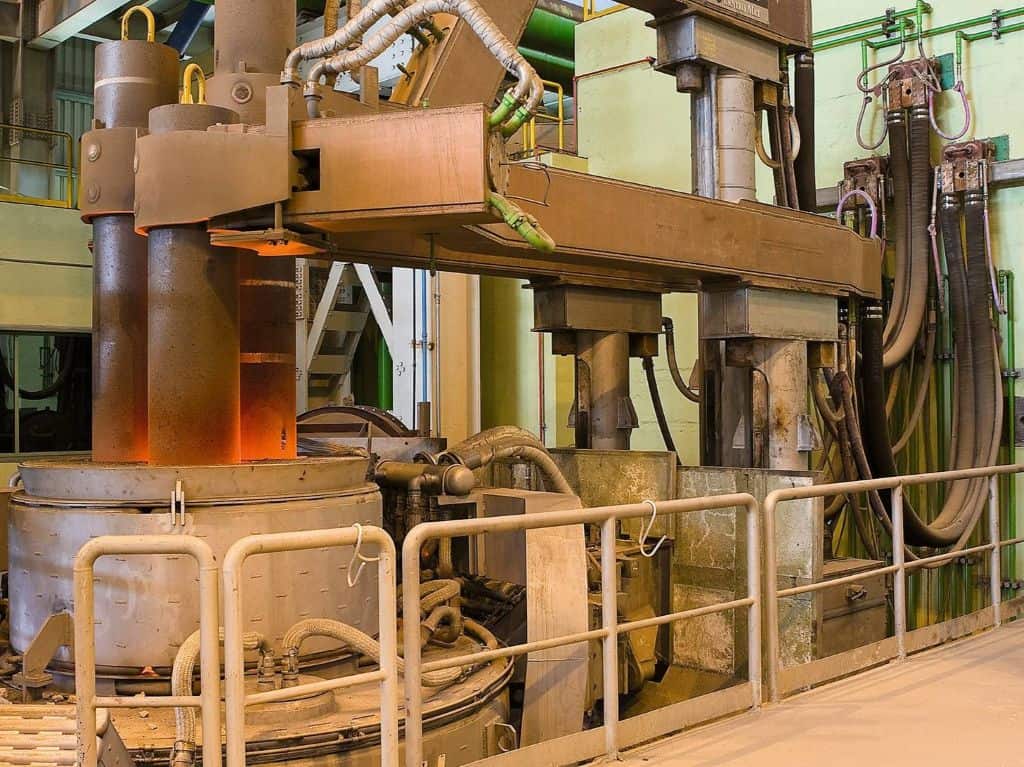
In the heart of waste-to-energy plants, metallurgical giants, and industrial kilns, equipment is pushed to the breaking point every day. Your operations face a lethal combination: sustained extreme heat, thermal shock, and the relentless erosion of "snowflake-like" fly ash and corrosive gases.
At our foundry, we don't just cast metal; we forge reliability. We specialize in high-performance alloy components designed to keep your systems running longer in the world’s most hostile environments.
The material of a grate directly determines its high-temperature and wear resistance. Our waste incinerator grates are made from high-strength, wear-resistant materials, incorporating our proprietary
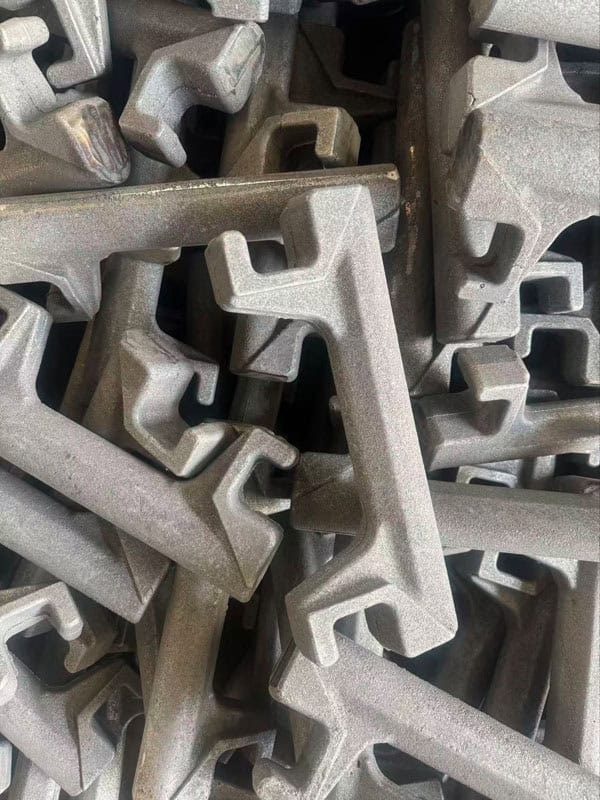
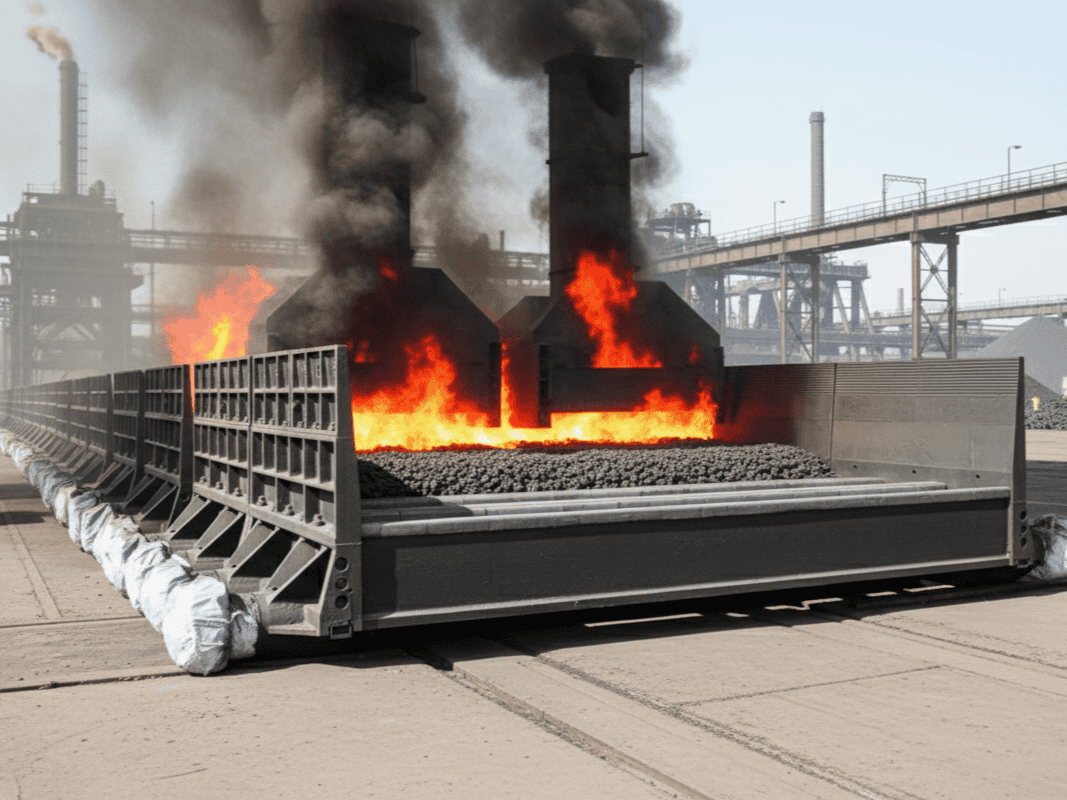
When casting sinter grate bars, we control pouring and heat treatment, ensuring precise dimensions and surface quality for stable long-term operation in high-temperature, high-wear conditions.
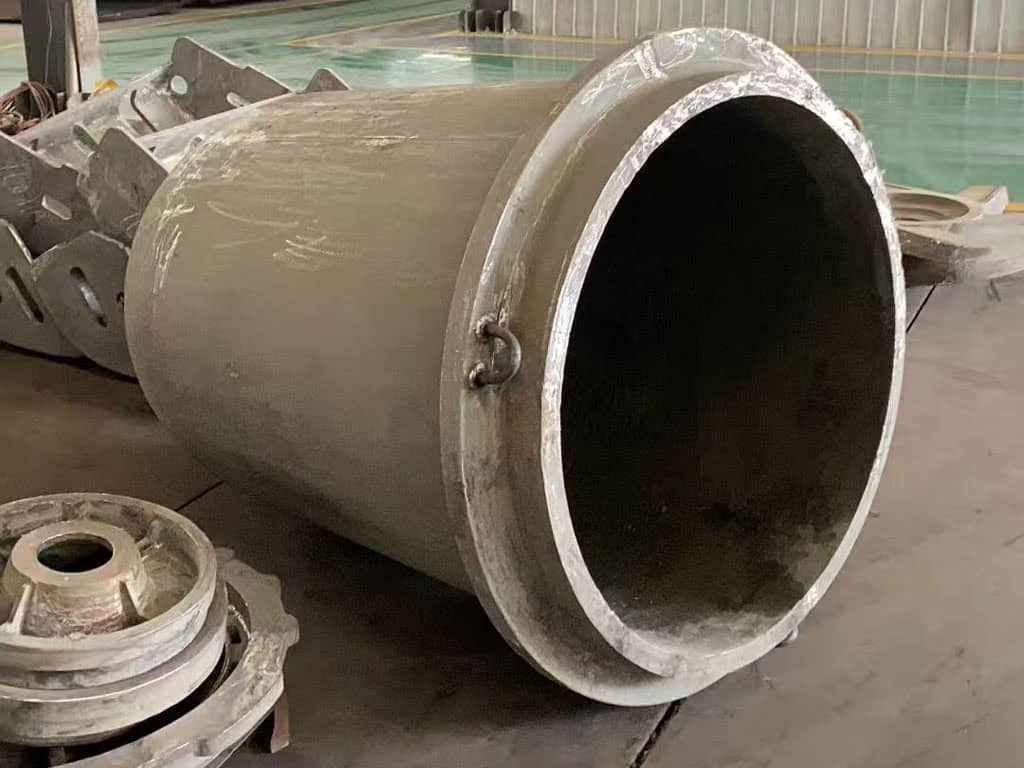
Ensure stable thermal processing with our high-nickel alloy crucibles, engineered for exceptional oxidation resistance and structural integrity at extreme temperatures.
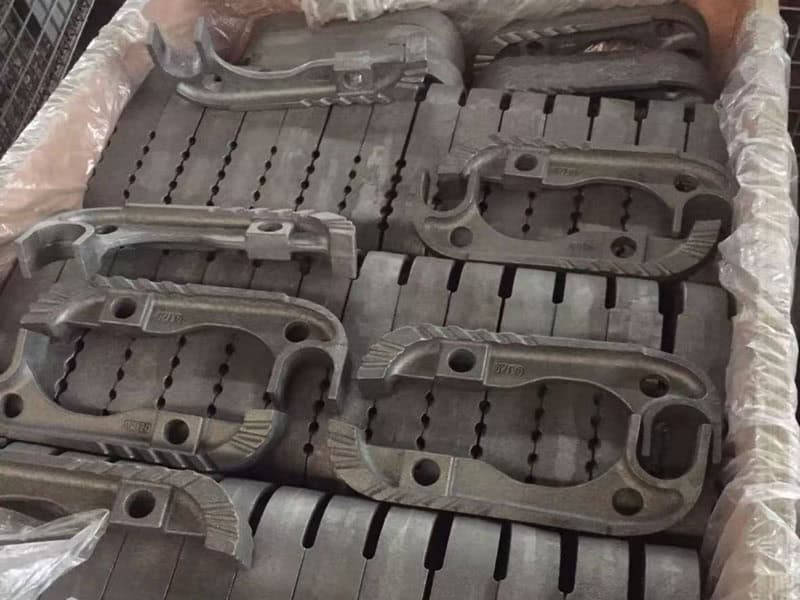
Maximize furnace uptime with our heat-resistant grate bars, cast from specialized alloys to withstand intense corrosion and thermal shock in waste-to-energy plants.
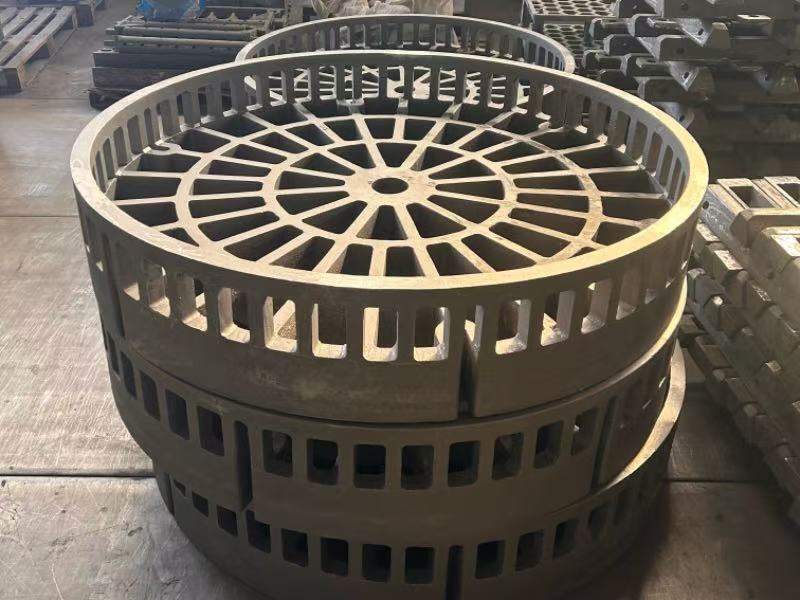
Optimize loading efficiency with our durable round charging baskets, featuring a reinforced design and creep-resistant alloys for prolonged service in high-heat cycles.
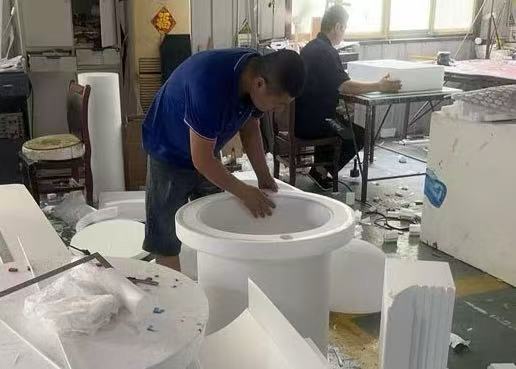
Using high-nickel and high-chromium heat-resistant alloys, our parts maintain structural integrity at temperatures exceeding 1000°C. They resist scaling, oxidation, and deformation, significantly extending the service life of your equipment.
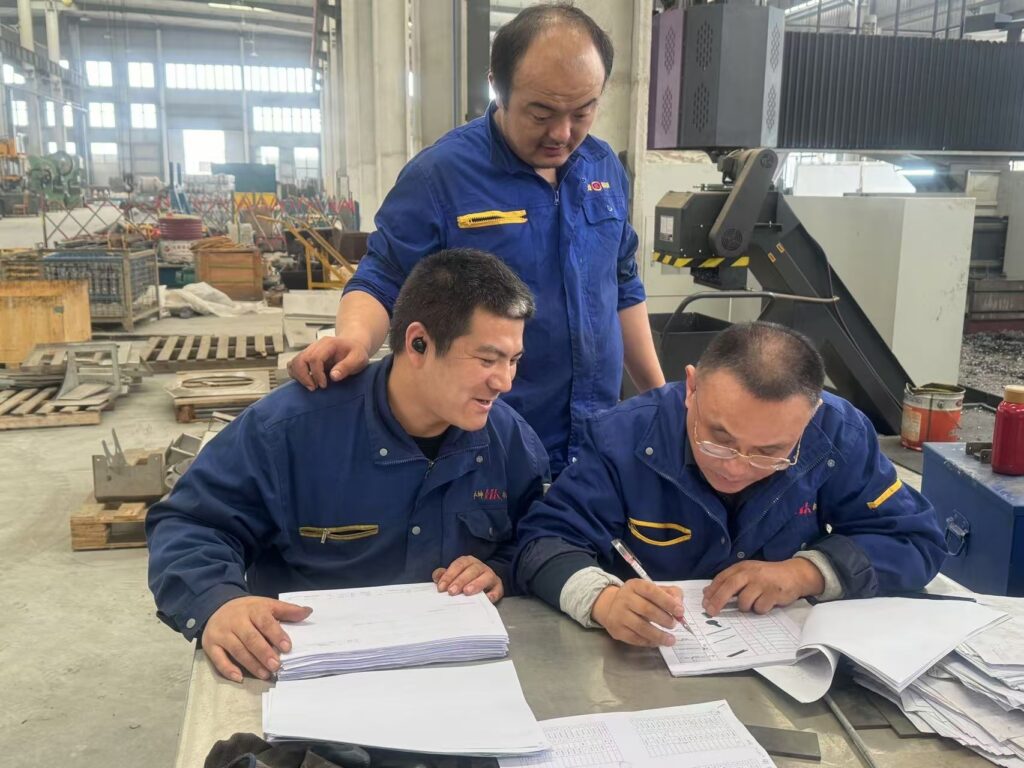
Waste incineration and metallurgical processes create complex chemical environments.
Our specialized material grades are modified with trace elements to create a protective surface layer that resists acid gas corrosion and the abrasive impact of high-velocity ash particles.
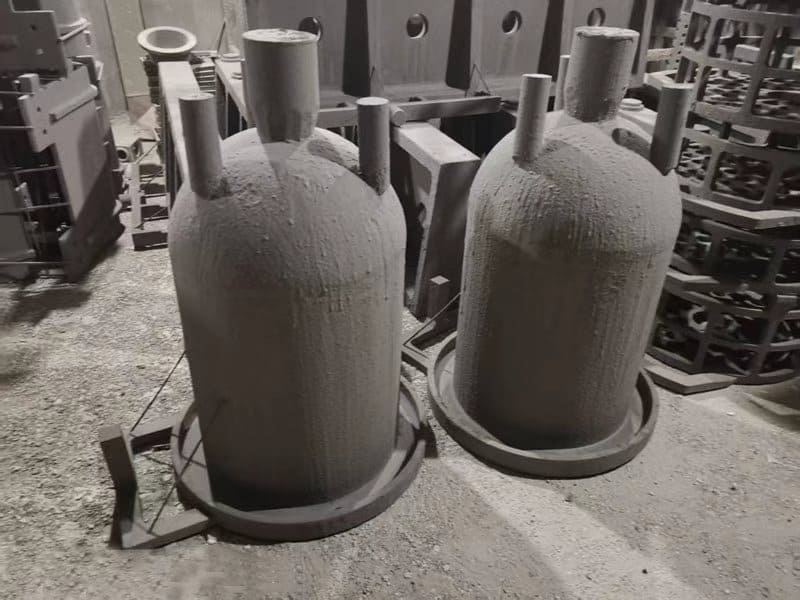
Frequent heating and cooling cycles can lead to cracking. Our precise heat treatment processes ensure that every part has the toughness to handle rapid thermal fluctuations without fracturing.
No "one size fits all." We analyze your temperature curves, chemical media, and flow velocities to engineer the precise alloy for your specific application.
With a 10,000-ton annual capacity and single castings up to 10 tons, we support everything from massive metallurgical projects to urgent furnace repairs.
From melt spectral analysis to NDT (Non-Destructive Testing), we ensure every part exceeds ISO/ASTM/DIN standards before leaving our facility.

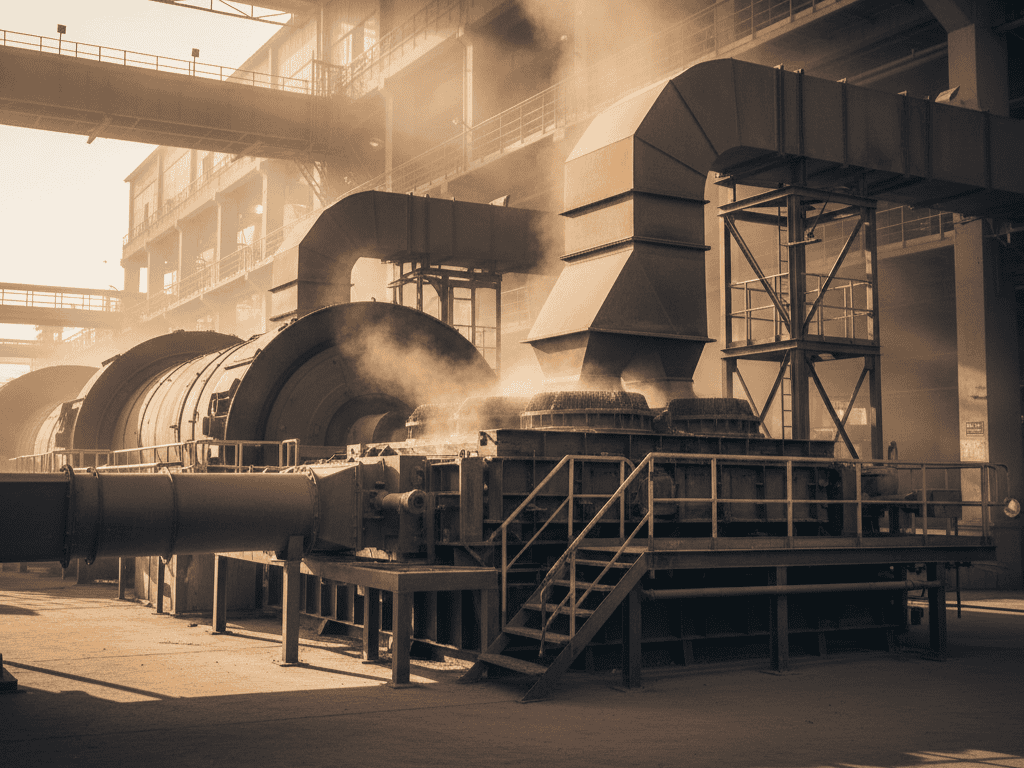
We utilize high-nickel and high-chromium heat-resistant alloys combined with precise heat treatment.
This ensures exceptional oxidation and creep resistance, maintaining structural integrity without deformation during long-term high-temperature operation.
Absolutely. We avoid “one-size-fits-all” solutions and instead optimize materials based on your specific parameters, such as temperature curves and material composition.
This ensures superior thermal fatigue resistance and lowers maintenance costs by reducing downtime.
If possible, we request you provide us with the following information to provide our offer:√2D drawings with dimension tolerances and/or 3D models The desired grade of the metals and alloys
