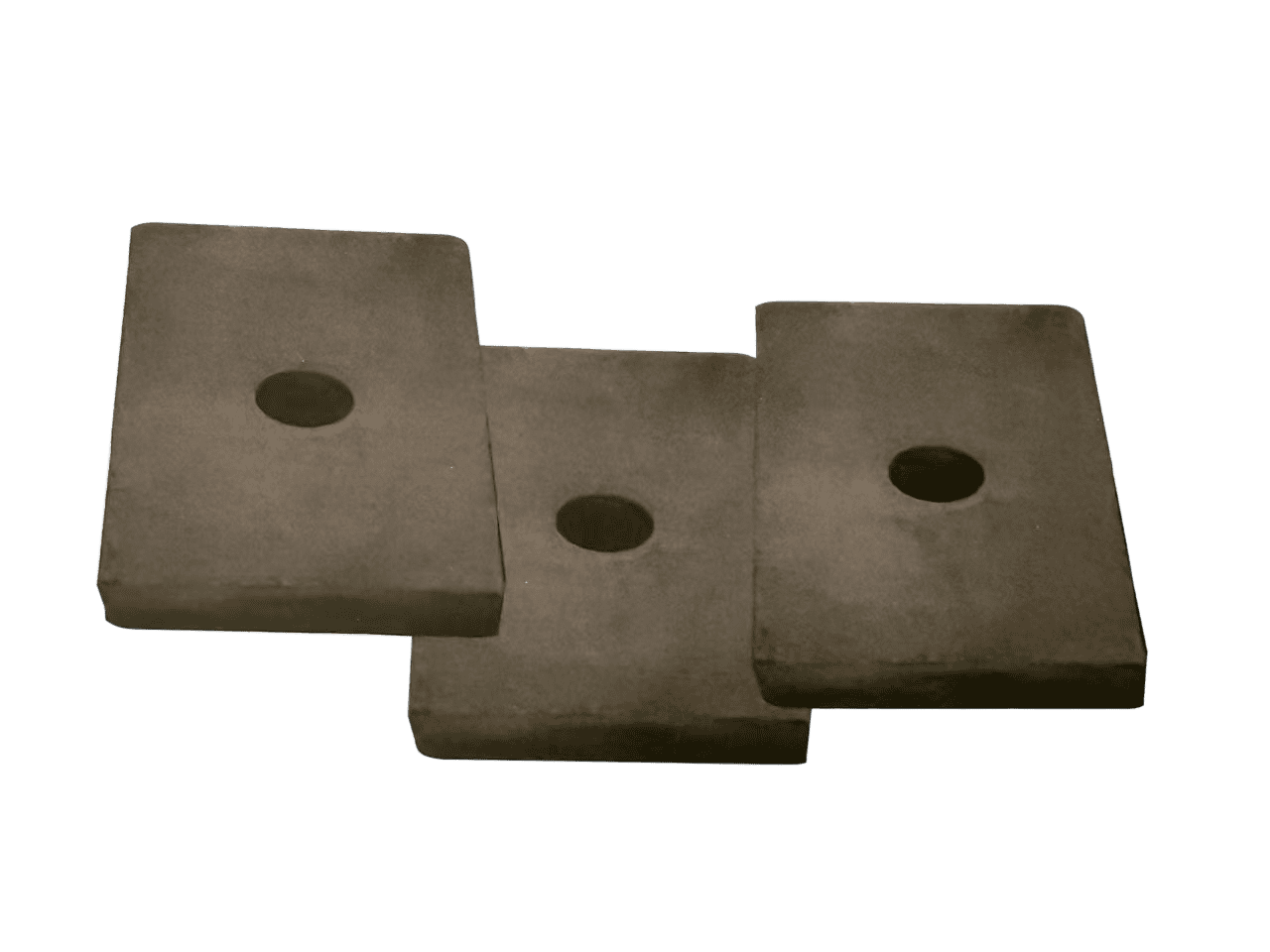
Maximize grinding efficiency with our high-chromium alloy liners, engineered for extreme hardness and superior wear resistance under high pressure.
Get A Quote >>
Please Fill the form
we'll connect you within hours
Power plants and cement works run on grinding: coal must be pulverized for the boiler, raw meal and clinker for the kiln. Huasuma casts the wear parts at the heart of that duty — ring hammers and toothed hammers for coal mills, grinding rolls and rings for vertical roller mills, liners for ball/SAG/AG mills, grinding balls, classifying liners, diaphragms, and heat-resistant alloy parts for hot-gas zones.
Each part is specified against its real failure mode — abrasion, impact, heat, or all three — using high-manganese steel, high-chrome white iron (Cr15–Cr28), Cr-Mo alloy steel, Ni-hard equivalents, and heat-resistant Cr25Ni20-type alloys. Parts are produced to OEM dimensions for mainstream mill types, with custom profiles, weights, and mounting to your drawings.
Ring hammers are the core crushing elements of ring-hammer crushers and hammer-type coal mills in power-plant coal handling systems. The closed ring profile with toothed projections applies impact and shear simultaneously, breaking coal, limestone, and gypsum efficiently. The self-adjusting suspension lets each hammer rotate freely on its pin — the working face renews itself in service, giving self-sharpening, uniform wear and a long service life. The closed-ring geometry also distributes stress better than open bar-type hammers, resisting fracture under high impact.
Supplied in ZGMn13 high-manganese steel and Cr-Mo alloy steel (35KhML type) at HB 180–220 as-cast, work-hardening to HB 300–500+ in service. Typical pieces weigh 2–20 kg with 4–8 teeth, 30–80 pieces per mill, with an expected life of 2,000–4,000 hours depending on coal abrasiveness. Light single-piece weight means no lifting gear is needed for change-outs — downtime shrinks.
Grinding rolls and grinding rings form the grinding pair of vertical roller mills: hydraulic pressure of 350–1,500 kN per roll crushes coal, cement raw meal, and slag against the rotating table at 20–40 rpm. Huasuma casts rolls and table/ring segments in high-chrome alloy iron (KmTBCr15Mo / Cr20Mo / Cr26 type) and Ni-hard equivalents at HRC 55–65. The M₇C₃ carbide network forms a hard wear skeleton, giving wear-segment life of 5,000–15,000 hours — typically 2–3× Ni-hard and 4–6× high-manganese steel in the same duty.
Rolls from 560 mm to 3,800 mm diameter and 50–6,000 kg, grinding rings from 1,300–5,000 mm OD at 80–2,500 kg per piece. Key faces are held to ±0.5–1.0 mm so grinding gaps stay uniform after assembly, and cross-section hardness variation is kept within 3 HRC to prevent localized soft spots and premature failure. Solid-cast roll tires or segmented wear liners (replaceable segment-by-segment) fit MPS-type mills and are compatible with Loesche, Babcock & Wilcox, and Polysius machines.
Shell liners, end liners, and lifter bars for mills from 2 m to 8 m diameter (SAG mills beyond 10 m). Material follows the impact-abrasion balance: high-chrome iron (Cr 23–28%, HRC 58–65) for high-abrasion positions, Cr-Mo alloy steel (HB 300–400) where impact dominates, and rubber-lined options where noise and fine abrasion rule. Typical service life runs 12–24 months for high-chrome liners in ball mills and 6–12 months for Cr-Mo steel in SAG duty. Liner profiles are 3D-optimized against mill size and media charge to lift capacity and liner life together, and complete sets — shell, end, lifters — are engineered and delivered as one matched package.
Grinding media does double duty: lifted inside the mill, then dropped at 4–8 m/s to impact and abrade the feed. High-chrome cast balls (Cr10–Cr28) deliver HRC 58–67 surface hardness with a controlled hardness gradient to an HRC 45–55 core; M₇C₃ carbides give outstanding abrasion resistance. Forged steel balls (HRC 55–65, ≥12 J/cm² impact toughness) cover high-impact positions where breakage is the enemy — breakage rate is held to ≤1%. Diameters from 20 mm to 150 mm with tight sphericity tolerances (≤0.5 mm up to 30 mm diameter, ≤1.8 mm at 150 mm). Ceramic balls are available for pure-grinding, impact-free applications.
Classifying liners use a stepped cross-section to sort grinding media along the mill axis: large balls stay at the feed end for coarse grinding, small balls migrate to the discharge end for fine grinding. Matching media size to particle size at every position cuts over-grinding and under-grinding, while wear rates even out across the liner set — extending the whole reline interval. Step heights of 30–80 mm are customized to mill diameter and media size, in high-chrome alloy (Cr 12–30%, HRC 58–65) or Cr-Mo steel, with a typical life of 6,000–12,000+ hours.
Diaphragms (intermediate and discharge) control material flow and particle classification between mill chambers: slot widths of 5–12 mm with 4–8% open area for intermediate and 8–12% for discharge diaphragms. Cast in Cr-Mo alloy steel at HB 300–400 quenched-and-tempered, slots stay dimensionally stable in hot, abrasive service — oversize particles are held back for further grinding, and energy is not wasted over-grinding fines.
Cement mill hot-gas inlets run at 300–350 °C; power-plant coal mill inlets at 300–400 °C with 100–200 °C in the grinding zone. Ordinary carbon and low-alloy steels lose strength and oxidize rapidly in this range — early deformation and wear-out follow. Huasuma casts these positions in heat-resistant Cr25Ni20-type alloy steel (ZG4Cr25Ni20Si2) and nickel-base alloys, rated for continuous service at 1,150 °C class temperatures. Above 300 °C, heat-resistant alloy parts typically deliver 1.5–2× the wear life of low-alloy steel, with dramatically lower oxidation loss. Lost-foam and sand casting processes are used per part geometry, with dimensions built to your mill model.
Every melt is verified before pouring — furnace-front temperature and sample chemistry — and every finished part passes hardness testing, metallographic verification, and dimensional checks. Material certificates and inspection reports ship with each order. Huasuma runs an ISO 9001 quality system with 30 years of casting export experience worldwide.
One foundry for the whole grinding line: from 2 kg ring hammers to 6,000 kg mill rolls, from coal mill to finish mill. Tell us your mill model, feed material, and current wear life — our engineers will recommend a grade and stand behind it. Send drawings for a 24-hour quotation.
Explore our metal casting capabilities and precision CNC machining, or contact our mill-parts specialists.
Advanced casting and CNC machining ensure our wear-resistant parts deliver durability, precision, and reliability in high-abrasion, high-load industrial environments.
Maximize grinding efficiency with our high-chromium alloy liners, engineered for extreme hardness and superior wear resistance under high pressure.
Get A Quote >>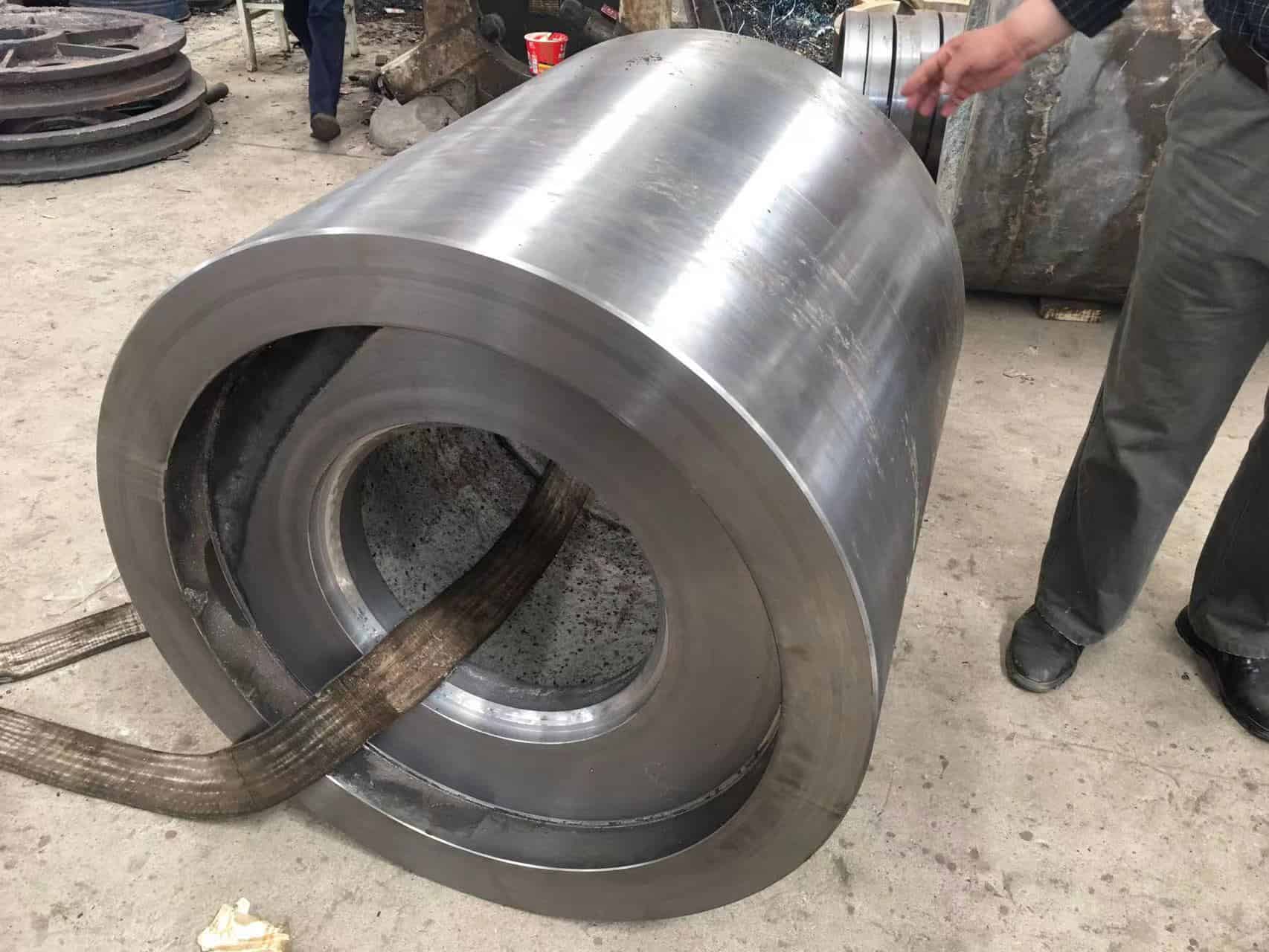
Maintain consistent coal fineness with our fatigue-resistant rings, built to withstand continuous abrasion in high-speed milling.
Get A Quote >>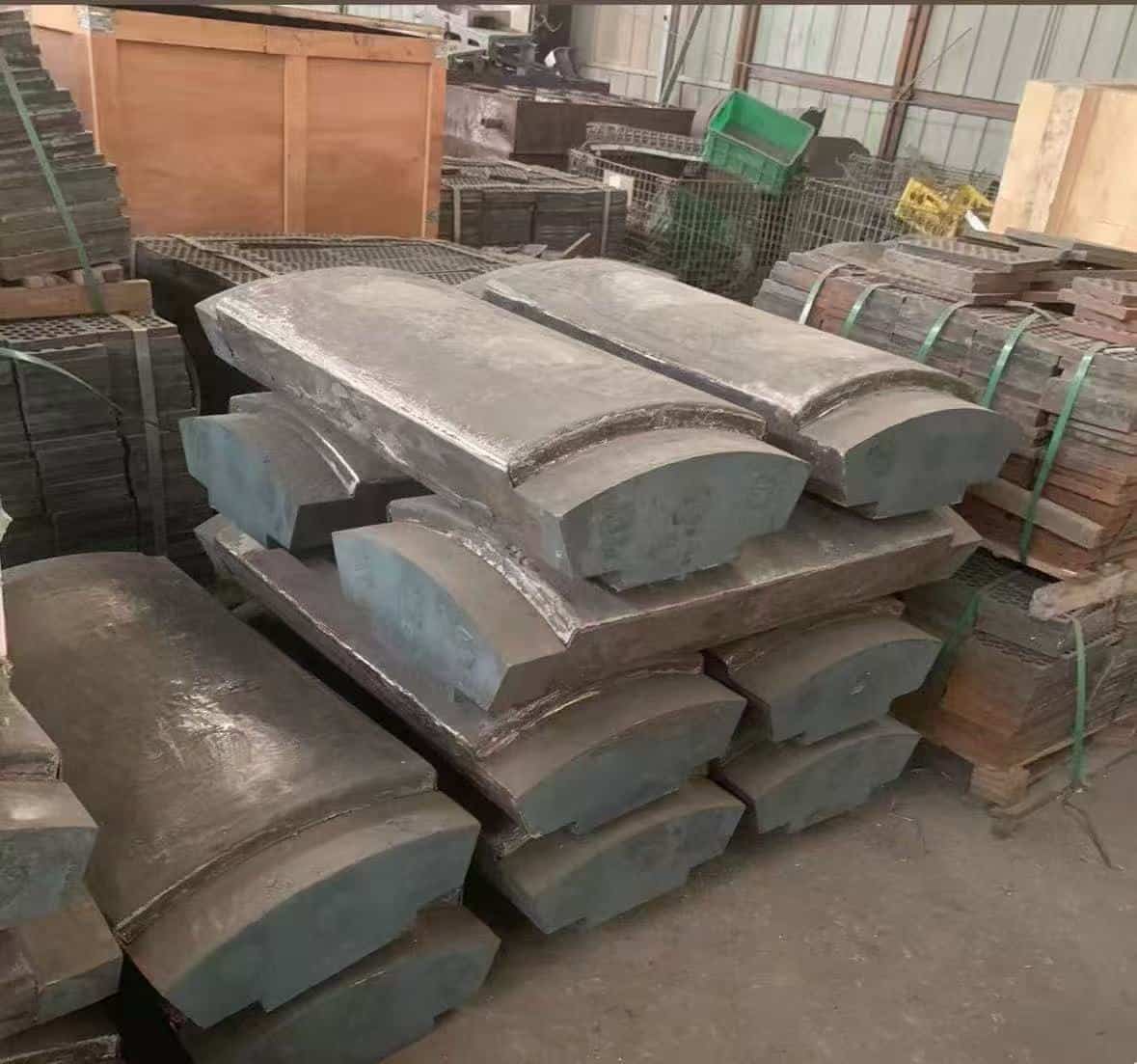
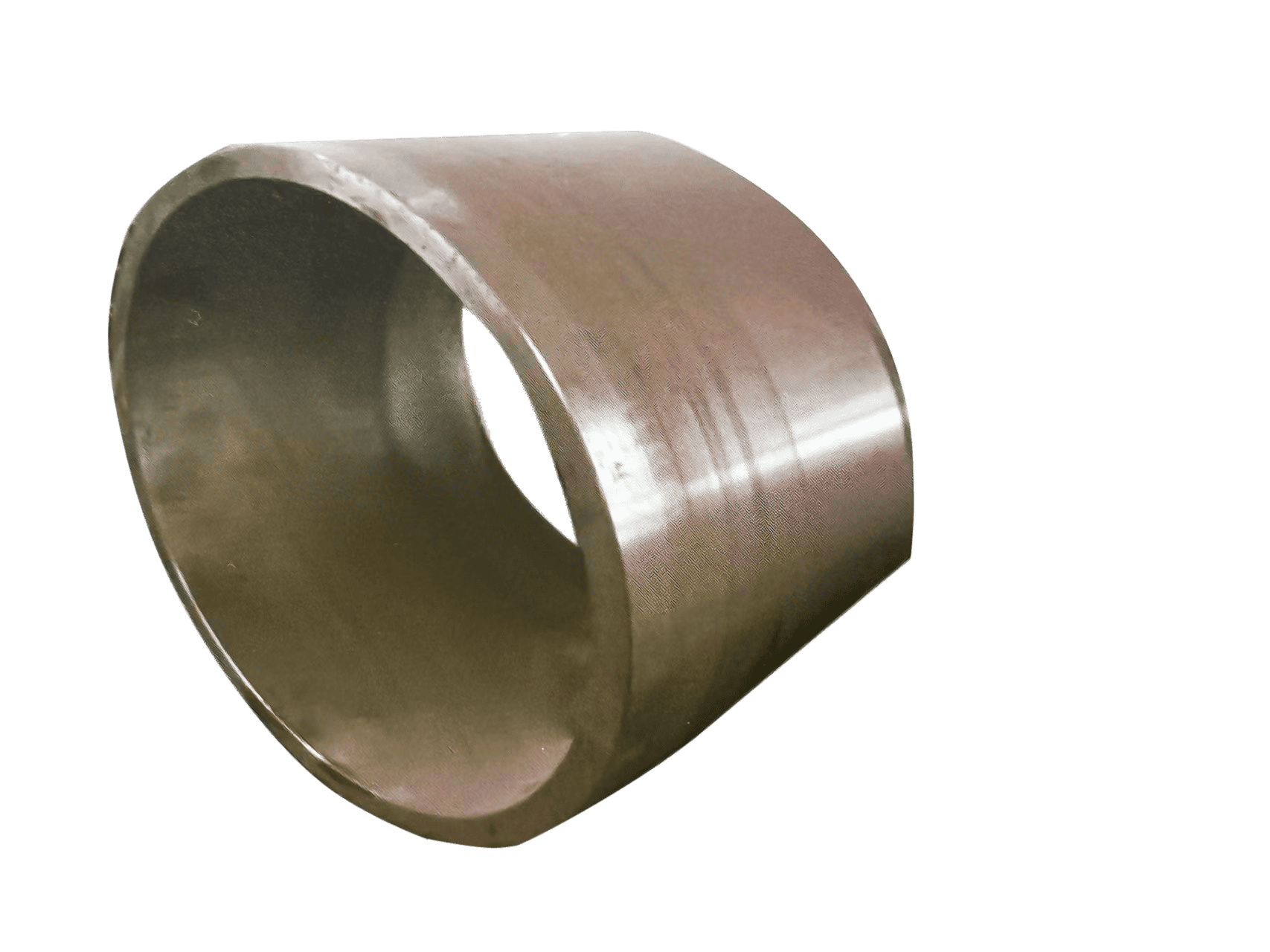
Durability depends on structural integrity. Our diaphragms feature reinforced designs and high-strength alloys to prevent cracking and ensure consistent material flow.
Achieve superior impact absorption with our dimensionally stable crushing walls, cast using water-glass sand for extreme durability.
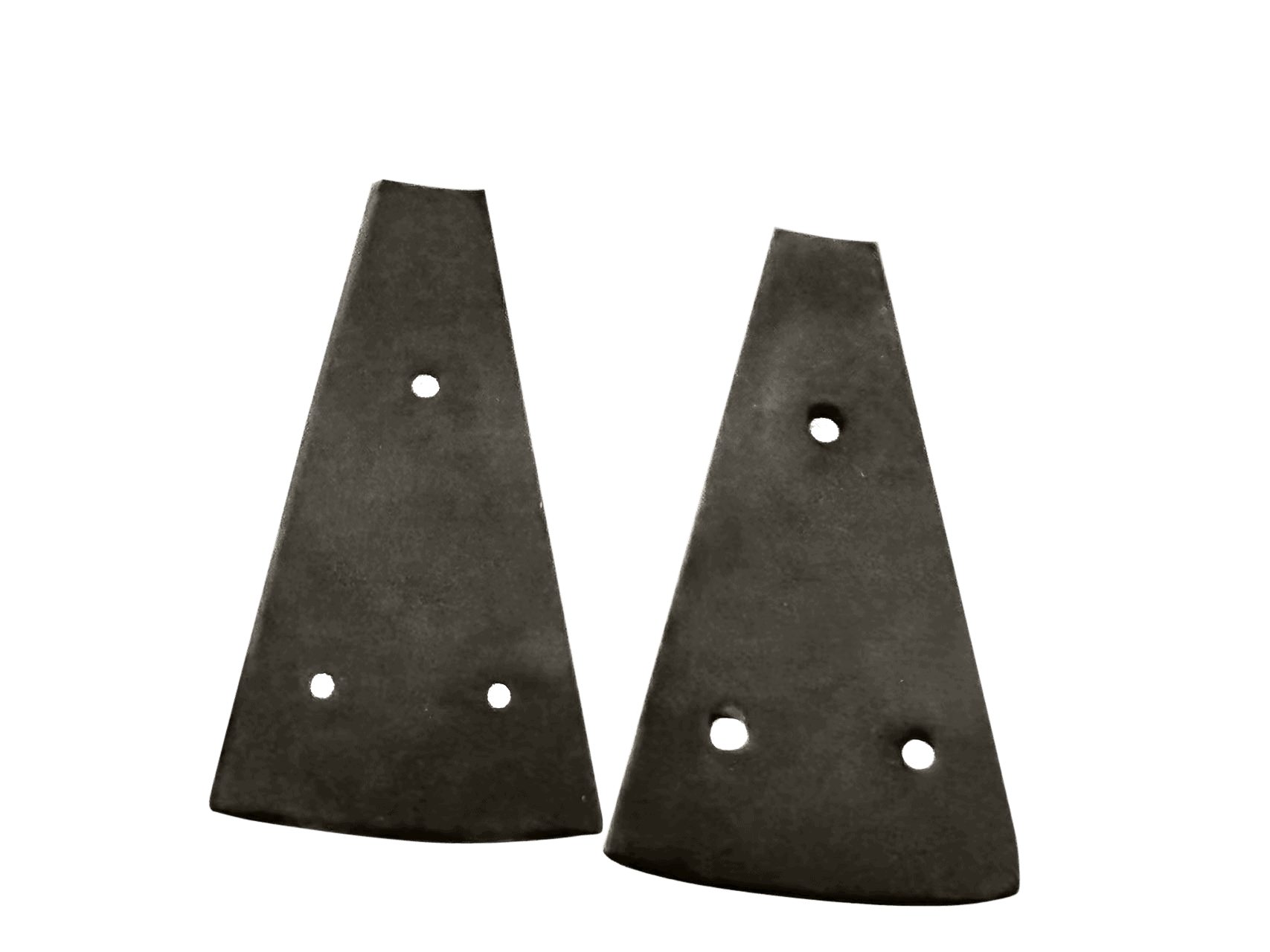
Ensure stable material flow with our high-strength diaphragms, featuring reinforced designs to prevent cracking under constant impact.
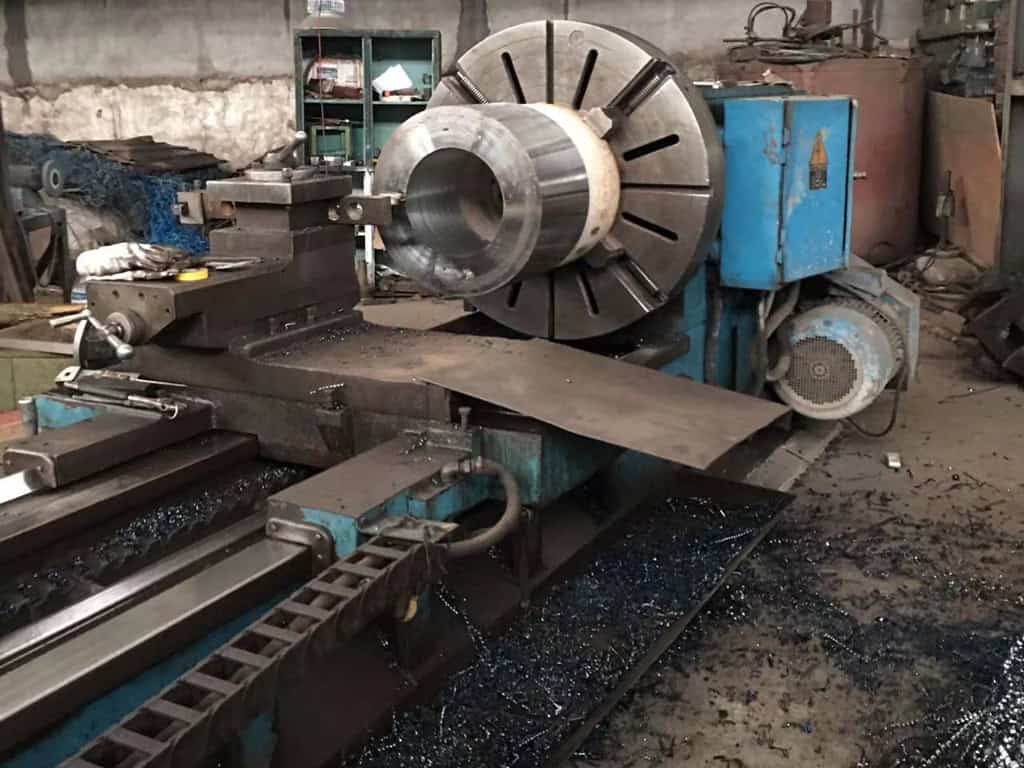
We adopt industry‑proven wear‑resistant alloys tailored to the working conditions of pulverizers, classifiers, and grinding rolls, ensuring extended service life and reduced replacement frequency.
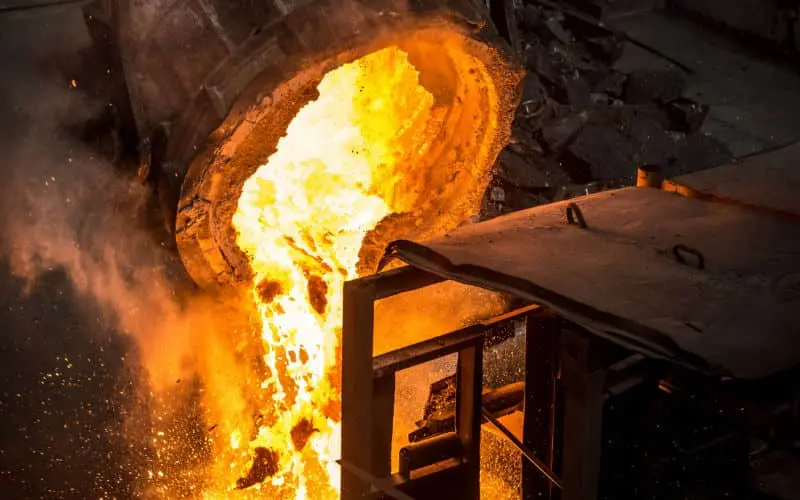
We adopt industry‑proven wear‑resistant alloys tailored to the working conditions of pulverizers, classifiers, and grinding rolls, ensuring extended service life and reduced replacement frequency.
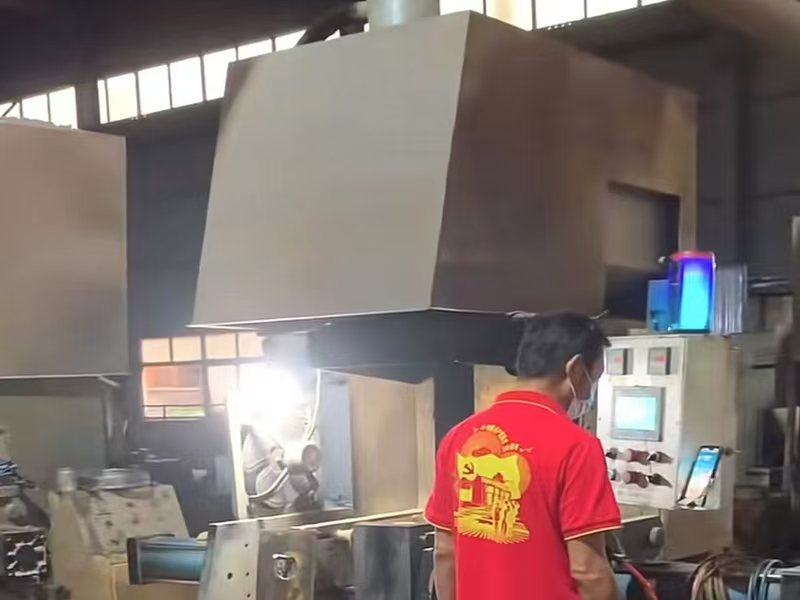
We provide wear-resistant parts for the power, cement, and powder-processing industries. All products undergo chemical composition analysis, hardness testing, and flaw detection to ensure consistent and reliable quality.
Customer feedback shows that these parts have an average service life 25% to 40% longer than standard components.
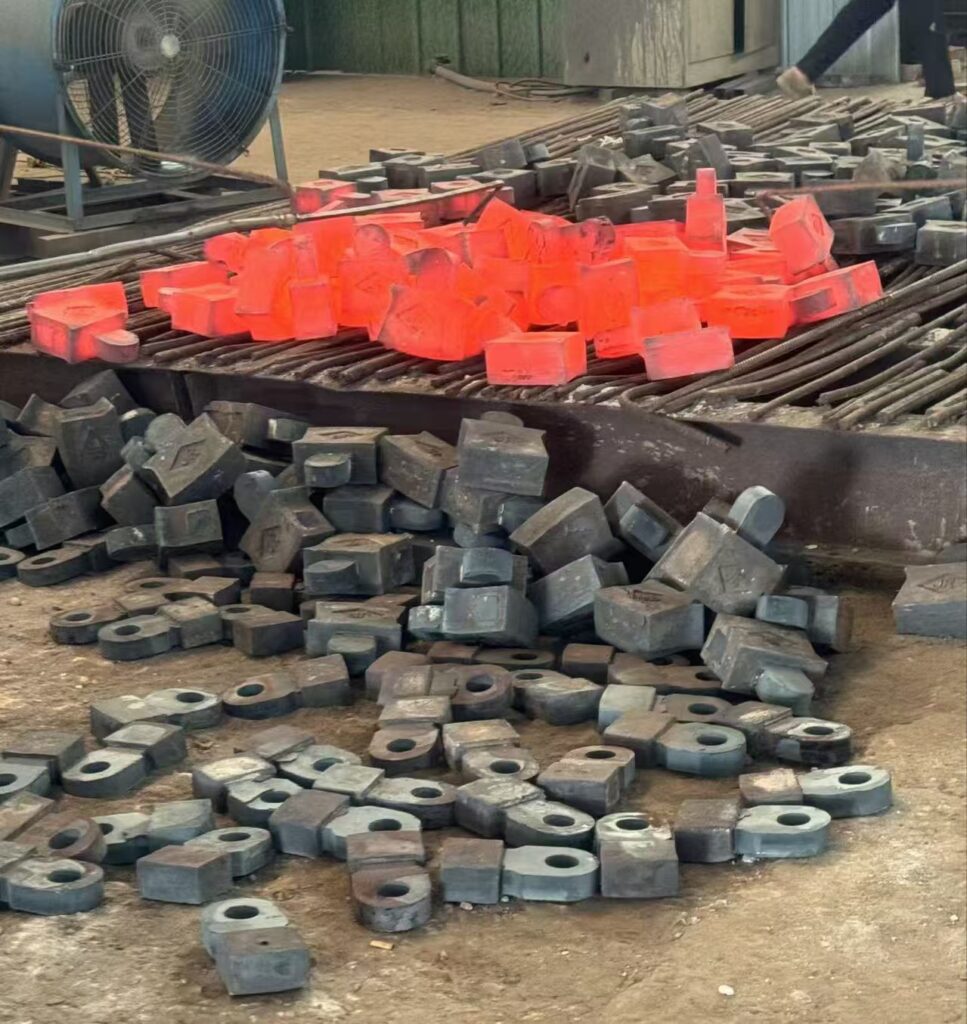
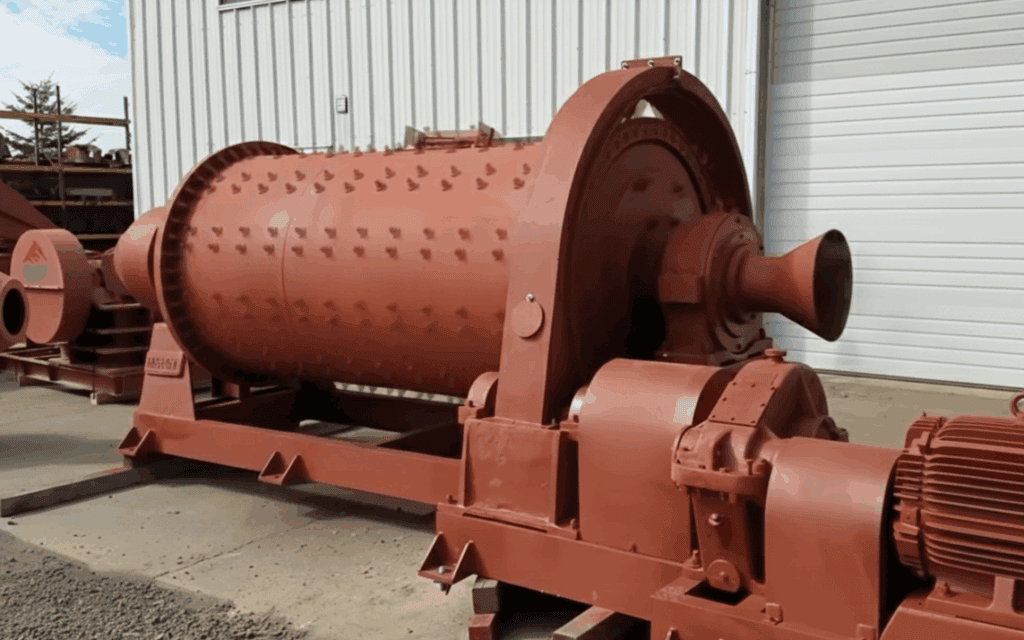
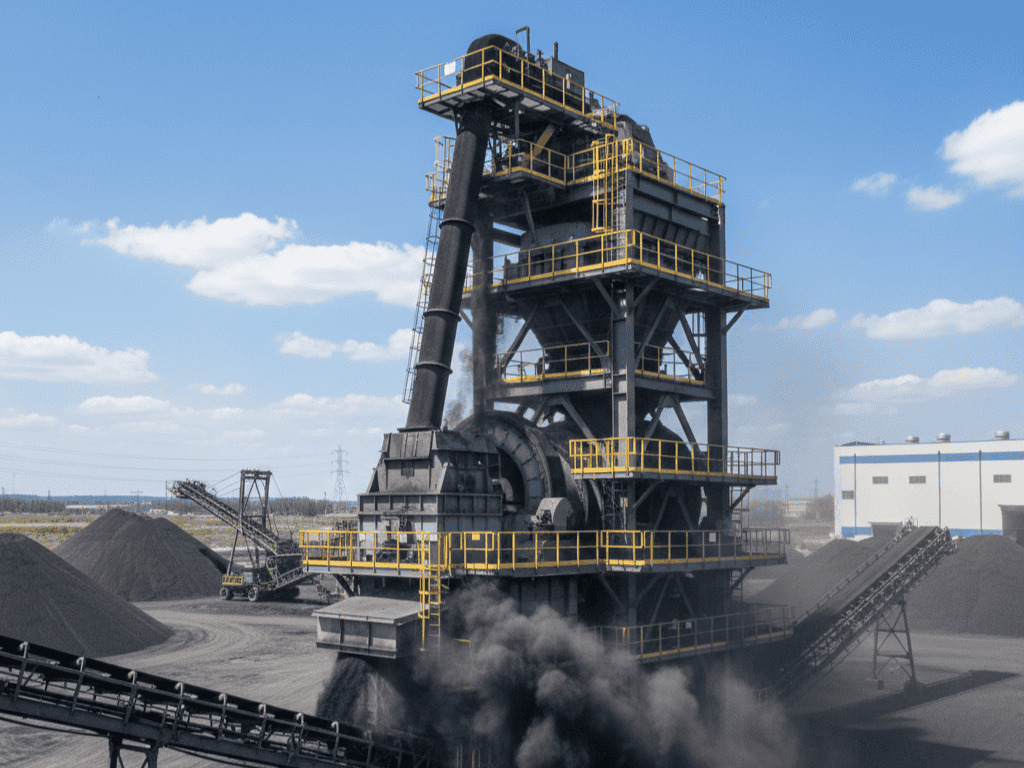
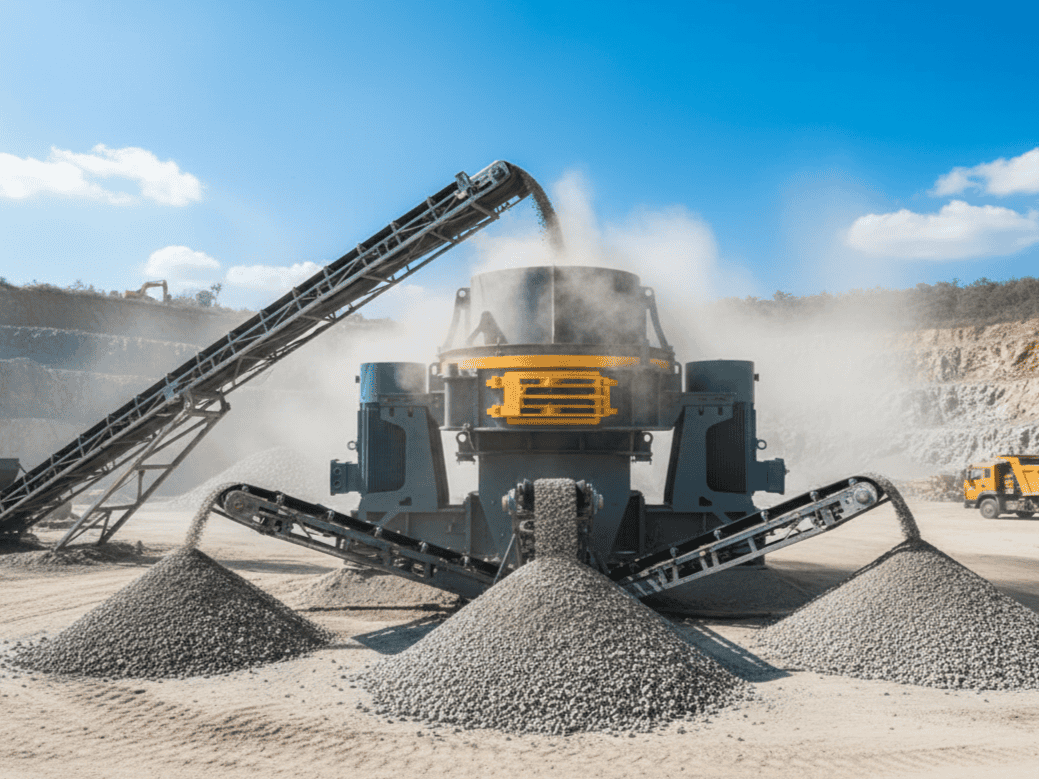
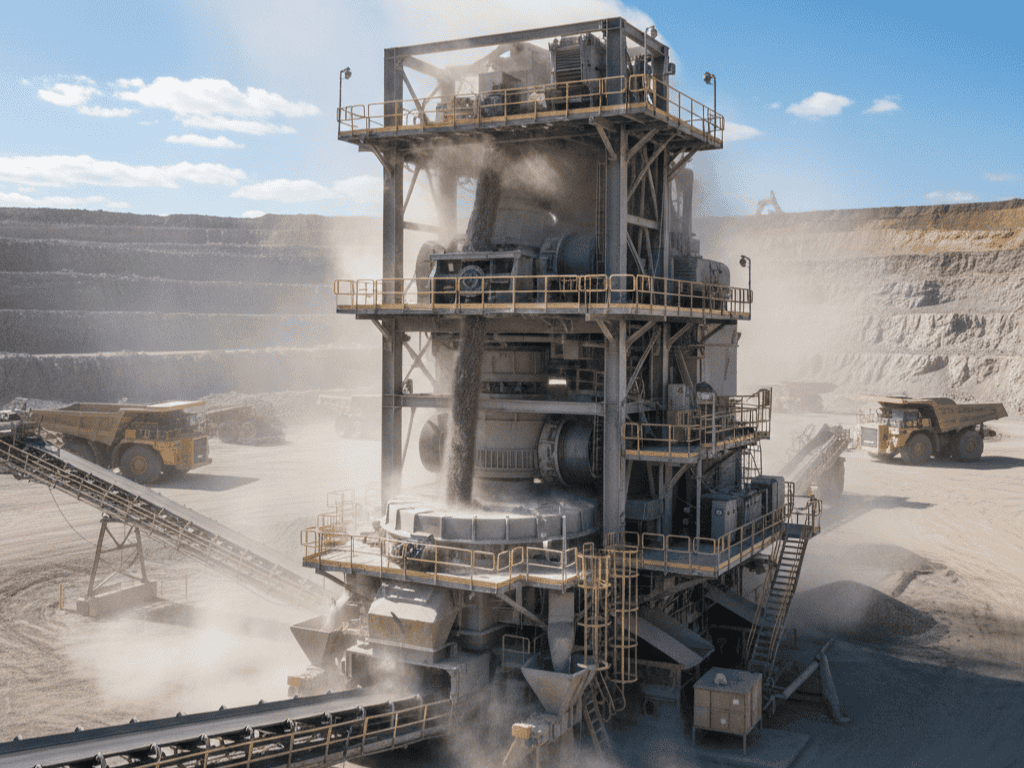
We use high-chromium alloys and advanced heat treatment to ensure our liners and rollers possess extreme surface hardness and stability, significantly extending service life under high-pressure conditions.
We avoid “one-size-fits-all” solutions. By analyzing your specific operating data, such as material hardness and flow velocity, we customize the alloy composition to achieve the best grinding efficiency.
From spectral analysis of the melt to non-destructive testing (NDT) of the final product, we perform rigorous inspections to ensure every part meets ISO/ASTM/DIN standards before leaving our facility.
If possible, we request you provide us with the following information to provide our offer:√2D drawings with dimension tolerances and/or 3D models The desired grade of the metals and alloys
