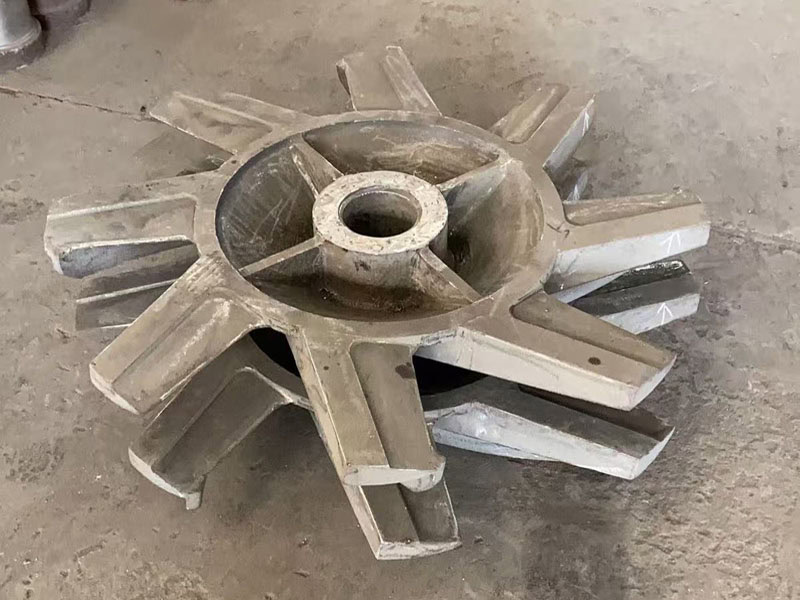
Paper Machine Impellers
In producing paper machine impellers, we control the melting and pouring process, maintain precise dimensions and surface quality, and use heat treatment to enhance strength


Please Fill the form
we'll connect you within hours
At 800–1,200 °C, ordinary steel gives up: carbon and low-alloy steels oxidize rapidly, creep accelerates, and parts deform and crack within months. Incinerator grates, burner components, support beams, furnace shelves, and heat-treatment fixtures need alloys built for the temperature — and a foundry that knows how to cast them. Huasuma produces heat-resistant steel castings in Cr25Ni20-series alloys (ZG4Cr25Ni20Si2) for continuous service up to 1,150 °C, and high-nickel Cr24Ni48W5-series grades for ultra-high-temperature duty beyond 1,100 °C, by lost-foam and sand casting.
At 1,000–1,100 °C these castings deliver typical service lives of 10,000–20,000 hours. Compared with common 900 °C-class heat-resistant steel (ZG30Cr18Ni12Si type), Cr25Ni20 grades cut creep rate by more than half above 1,000 °C, hold deformation within half the industry norm, raise long-term load capacity by over 40%, and extend service life 1.5–2×.
Grates work in direct contact with flame, burning refuse, and corrosive ash — the most punishing position in any incinerator or industrial furnace. Oxidation attack, thermal fatigue cycling, and structural load act together. Cr25Ni20 grate castings resist all three: the chromium-nickel matrix forms a stable, self-repairing oxide layer, the alloy holds high-temperature strength and creep resistance through 1,000–1,100 °C service, and the casting process delivers the complex grate geometries that fabricated assemblies cannot match. For zones above 1,100 °C, high-nickel Cr24Ni48W5-series grades take over.
Burner fittings face fuel jet impingement plus high-temperature oxidation; support beams carry structural loads at temperature where creep resistance defines service life; furnace shelves and hearth plates see continuous thermal cycling. All are cast in Cr25Ni20-series heat-resistant steel — room-temperature reference properties ≥450 MPa tensile and ≥235 MPa yield tell only part of the story; the alloy’s value is what it keeps at 1,000 °C: oxidation resistance, creep strength, and thermal fatigue endurance through years of continuous duty in industrial furnaces, kilns, and incinerators.
Heat-treatment baskets carry parts through quench, carburizing, and annealing cycles: rapid heat-up, high-temperature soak, then quench — thermal shock every cycle. Round baskets for pit furnaces and rotary-hearth furnaces match the cylindrical furnace chamber exactly: uniform heating, smooth atmosphere circulation, and even stress distribution through the thermal-shock cycle — a geometry advantage no square basket achieves in a round hearth. Diameters from 200 to 1,200 mm, load ratings from 100 to 2,000 kg per basket, cast in Cr25Ni20 (continuous service to 1,150 °C) with oxidation, carburization, and thermal-shock resistance built into the alloy. Custom baskets for box furnaces, bogie-hearth furnaces, and continuous annealing lines are produced to your furnace dimensions and load plan.
Modular heat-treatment fixtures assemble cast grid plates, support posts, and base trays into exactly the loading configuration each job needs — 2–5 stacked layers (3 maximum recommended at high temperature). Unlike one-piece baskets, every module is independently replaceable: a worn grid is swapped without scrapping the whole fixture, layer spacing and grid layout reconfigure for different part geometries, and your stockroom holds universal modules instead of dozens of basket variants. Cr25Ni20’s high-temperature strength and creep resistance keep the assembled structure stable under load at temperature, with reliable module-to-module connections cycle after cycle.
Every melt is verified before pouring — furnace-front temperature and sample chemistry — and finished castings pass dimensional and visual inspection, with material certificates and inspection reports available per shipment. Huasuma runs an ISO 9001 quality system with 30 years of casting export experience worldwide.
Heat-resistant casting is a materials-science business: the right alloy, cast soundly, verified honestly. Tell us your furnace type, operating temperature, and current fixture life — our engineers will specify the grade and stand behind it. Send drawings for a 24-hour quotation.
Explore our lost-wax (investment) casting services and metal casting capabilities, or contact our furnace-parts specialists.
Typical products include impellers, volutes, front wear plates, and rear wear plates, which are widely applied in slurry transport, fine separation, and fluid circulation systems.
In producing paper machine impellers, we control the melting and pouring process, maintain precise dimensions and surface quality, and use heat treatment to enhance strength
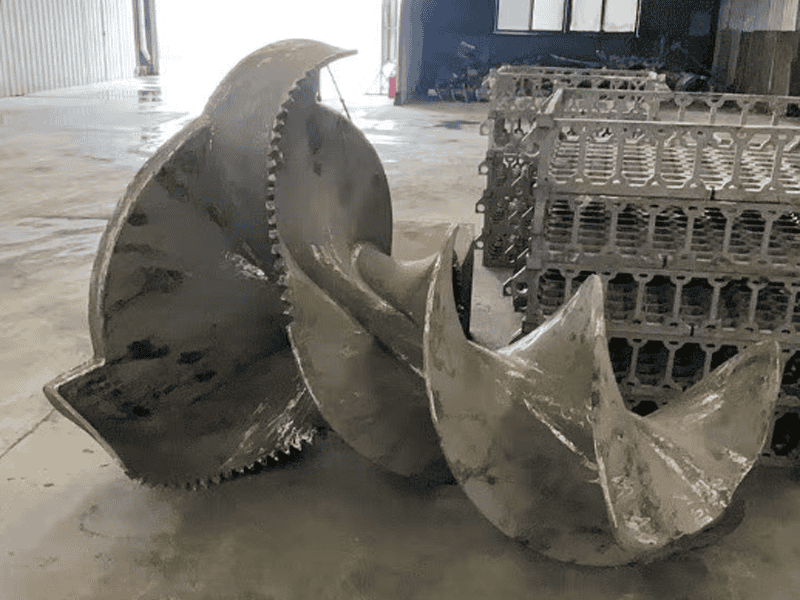
Maximize pulping efficiency with our precision-cast rotors, engineered from specialized stainless alloys to ensure superior wear and corrosion resistance in high-consistency stocks.
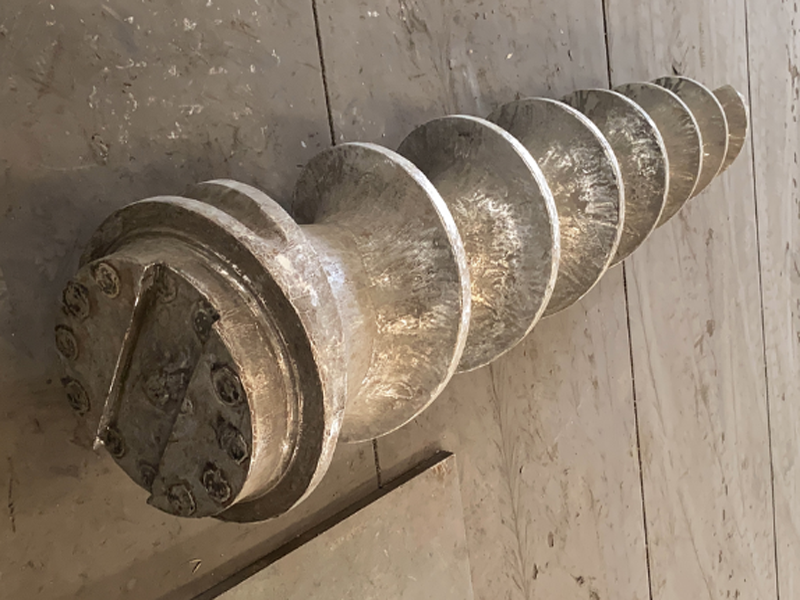
Optimize dewatering performance with our high-strength screw shafts, featuring exceptional torsional durability and surface hardness to withstand continuous heavy loads.
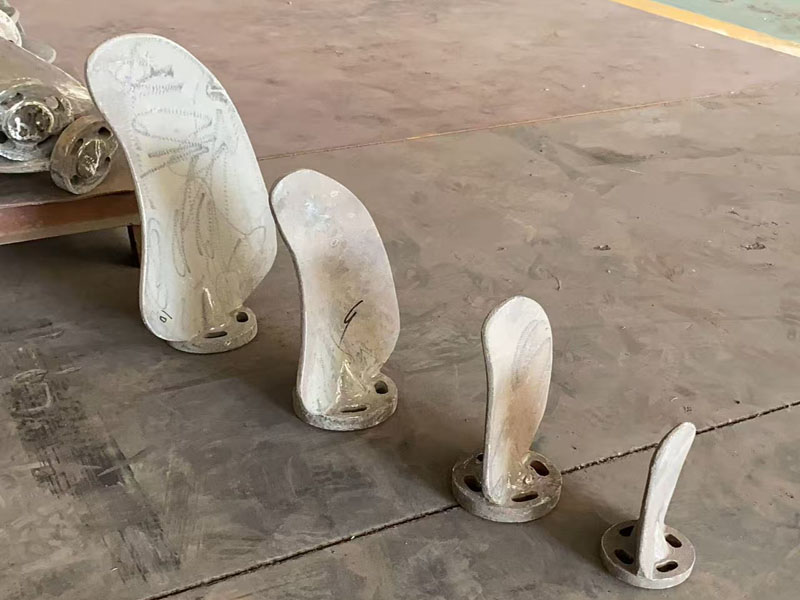
Achieve superior mixing stability with our hydrodynamically optimized impellers, cast from abrasion-resistant materials to prevent erosion in harsh fluid environments.
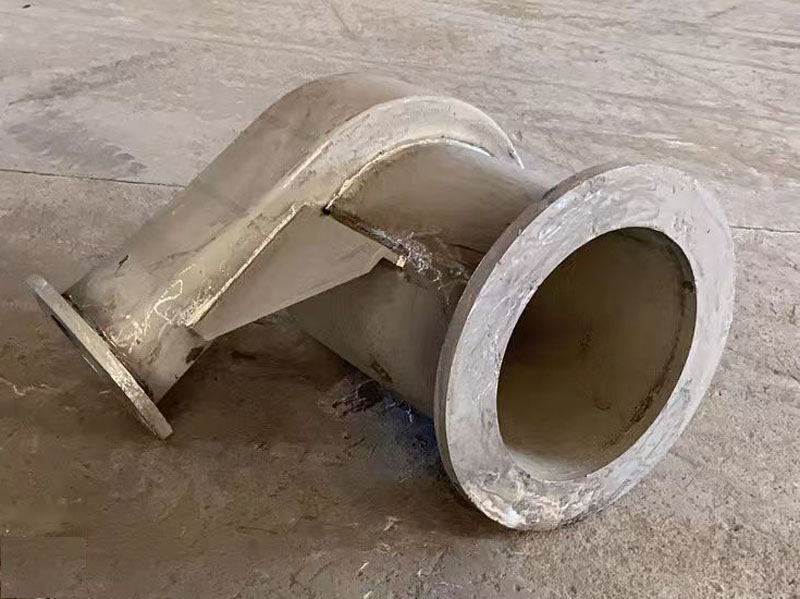
Extend service life with our robust inlet chambers, featuring precision dimensions and enhanced surface quality to ensure smooth pulp flow and reliable operation.
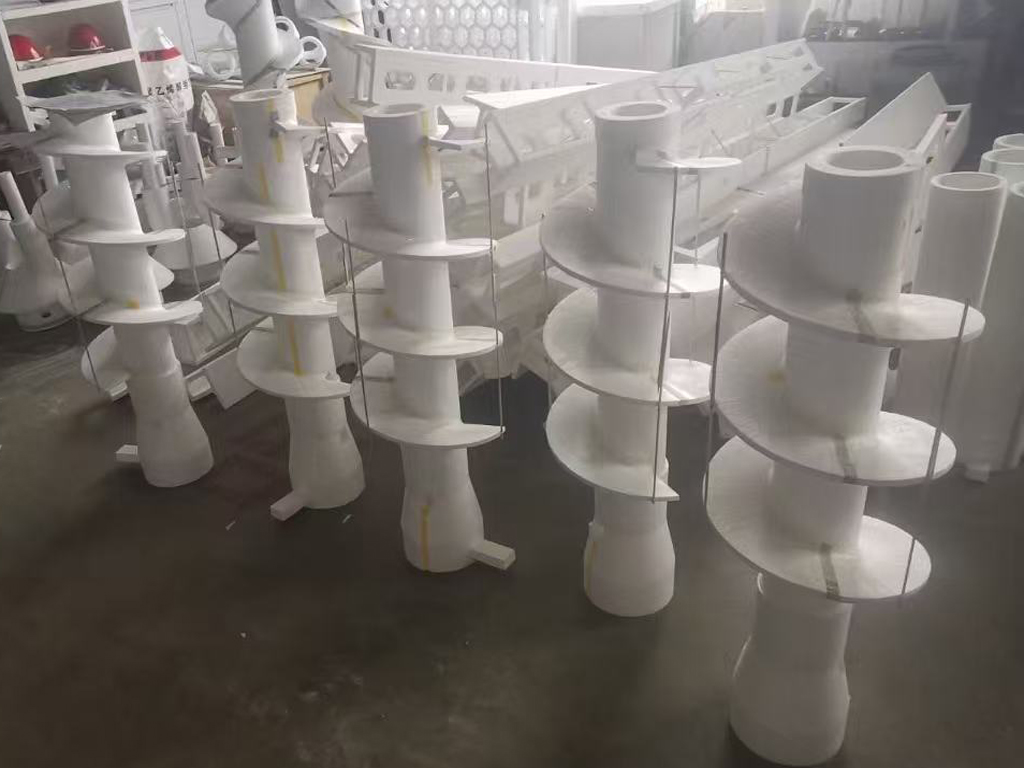
We specialize in wear-resistant cast parts for slurry conveying and fluid equipment operating with solid particles at high flow velocity.
Our experience is concentrated on impellers, volutes, and wear plates used in pumps and conveying systems, allowing us to optimize materials and structures for real operating conditions rather than general-purpose castings.
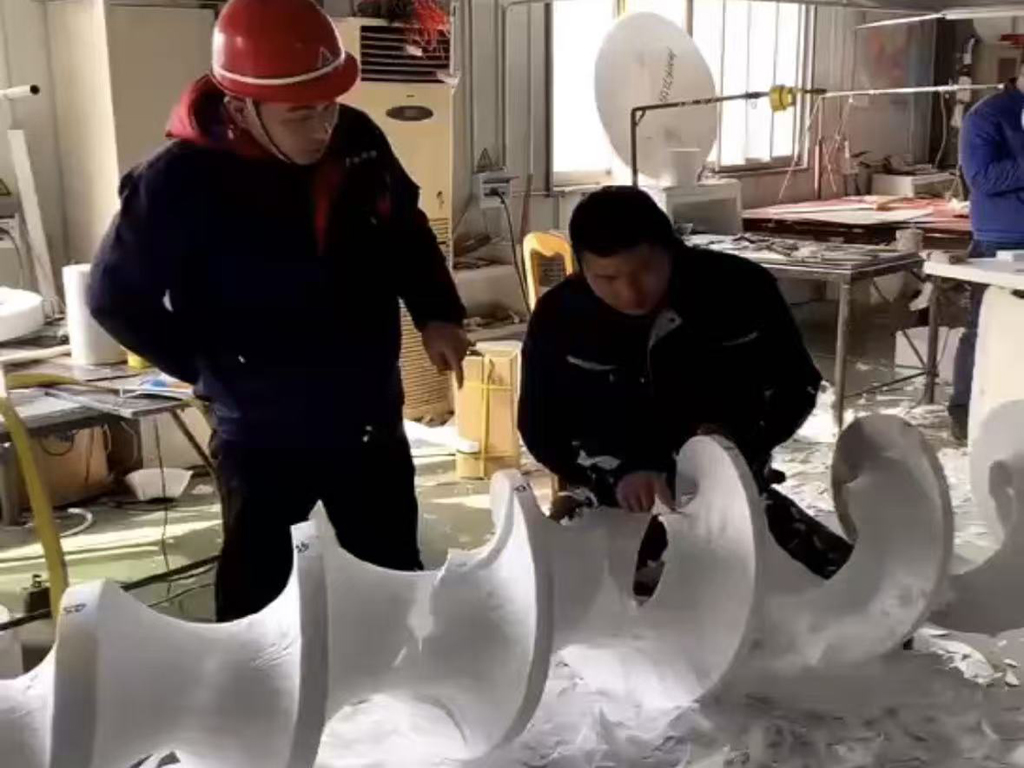
With an annual casting capacity of 10,000 tons and a maximum single casting weight of 10 tons, we are able to supply both standard and large-sized slurry wear components.
The water-glass sand casting process ensures dimensional stability and consistency for thick-wall and complex parts.
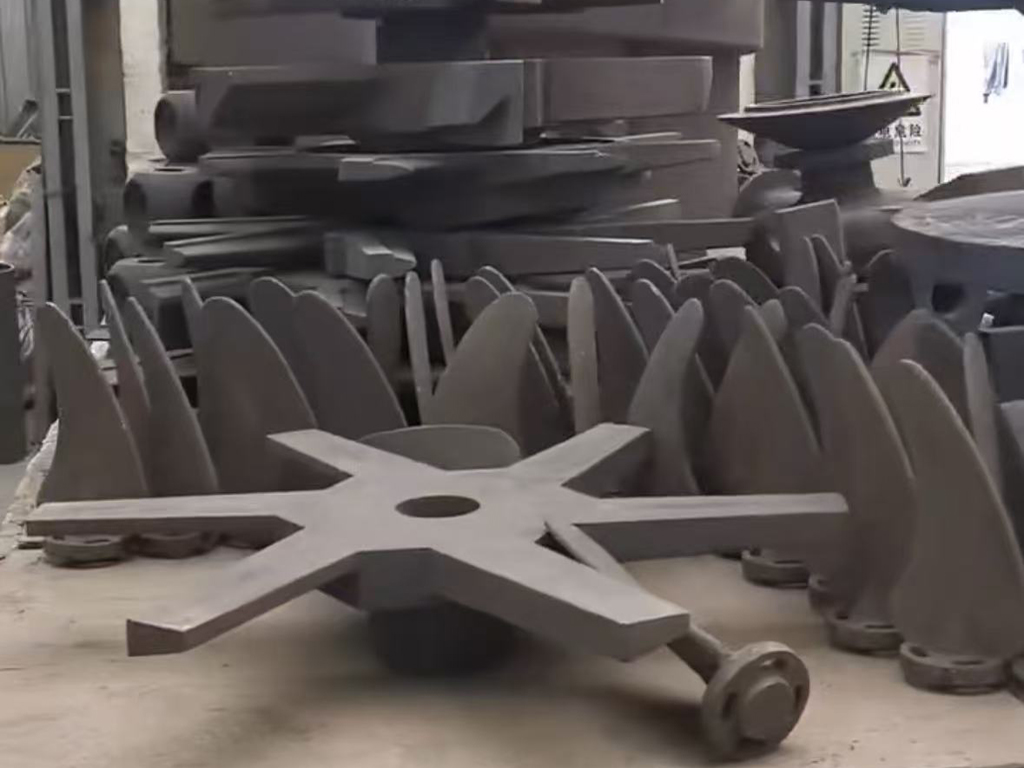
We select and adjust materials such as high-chromium cast iron and alloy steels according to slurry composition, particle size, flow speed, and corrosion level.
In typical applications, service life is 20–50% longer than ordinary carbon steel parts, reducing replacement frequency and downtime.
We are a foundry that focuses on how parts actually fail in service—erosion, abrasion, and cavitation caused by solid-particle slurry.
Instead of overselling materials, we work from operating data and equipment conditions to provide suitable casting solutions.
Our goal is straightforward: produce wear parts that last longer, fit correctly, and perform consistently, helping customers lower maintenance costs and keep equipment running reliably.
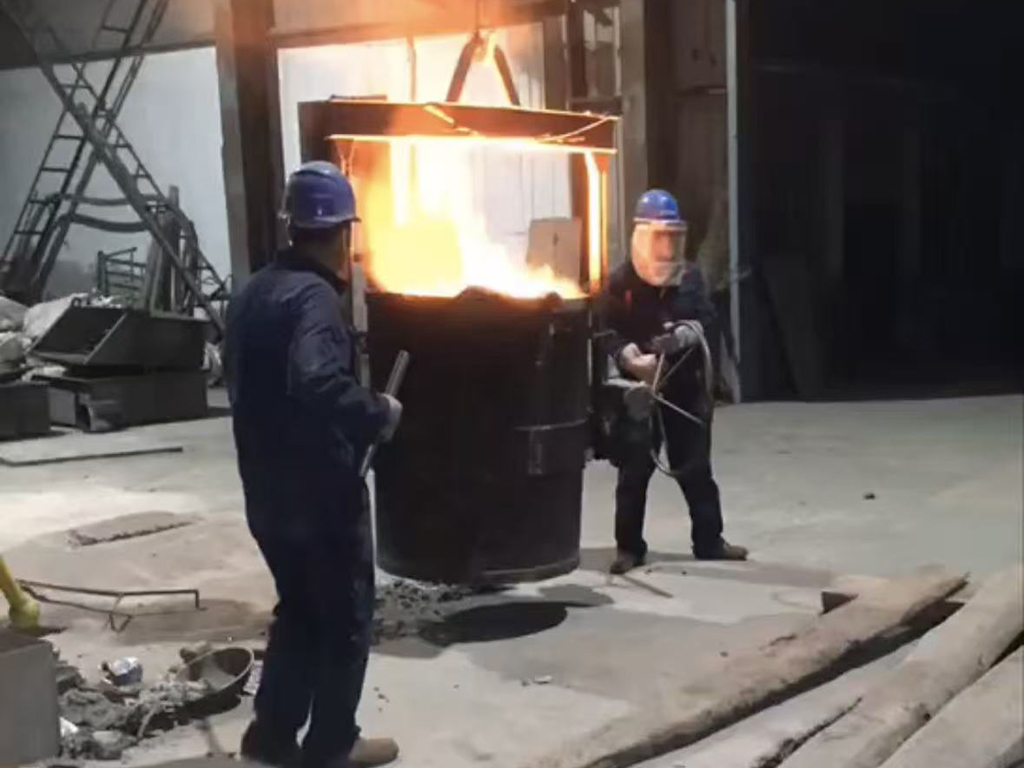


We specialize in handling high-velocity slurries containing solid particles. By optimizing the material composition of high-chromium cast iron and alloy steels, we significantly enhance the erosion, abrasion, and cavitation resistance of our parts.
We dynamically adjust alloy components based on slurry composition, particle size, and corrosion levels. In typical operating conditions, our products offer a service life 20%–50% longer than ordinary carbon steel parts.
If possible, we request you provide us with the following information to provide our offer:√2D drawings with dimension tolerances and/or 3D models The desired grade of the metals and alloys
