

Steel is used to make many important things. It is used in bridges, buildings, trucks, mining machines, and factory parts. These things must be strong. They should not break easily. They also need to last a long time.
Engineers are always trying to make steel better. They want it to be stronger but not cost too much money. One smart way to do this is called micro-alloying. In industrial manufacturing environments, especially in heavy equipment production, material performance is critical.
Micro-alloying means adding very tiny amounts of special metals into steel. The amount added is very small. It is usually less than 0.1%. Even though the amount is tiny, it can still make a big difference.
Micro-alloying helps make the inside of the steel finer and stronger. It helps the steel become hard in a better way. It also helps the steel last longer when it is used for heavy work.
What Is Micro Alloying in Steel?
Microalloyed steel is a type of alloy steel that contains small amounts of alloying elements (0.05 to 0.15%), including niobium, vanadium, titanium, molybdenum, zirconium, boron, and rare-earth metals. They are used to refine the grain microstructure or facilitate precipitation hardening.
The amount added is very, very small. It is usually between 0.01% and 0.1%. That means less than one small piece out of one hundred pieces of steel. Even though it is such a tiny amount, it can still change how the steel acts.
This is not the same as normal alloying. In regular alloy steel, bigger amounts of metals like chromium or nickel are added. These metals can change the steel in a big way.
Micro-alloying is different. It does not change the steel’s main makeup very much. Instead, it changes the tiny pattern inside the steel. This tiny pattern is called the microstructure. You cannot see it with your eyes, but it is very important.
Key Micro Alloying Elements in Steel
Microalloyed steels are required to have good strength and toughness, properties that are mostly influenced by microstructure and phase distribution in the steel, obtained by controlling thethermomechanical processing.
Alloying elements are substances intentionally added to a base metal, such as iron or nickel. The primary purpose of alloying is to enhance properties like strength, ductility, corrosion resistance, or heat resistance. Alloying elements also determine what the internal structure of the metal will be, leading to various effects on performance, durability, and suitability for specialized purposes.
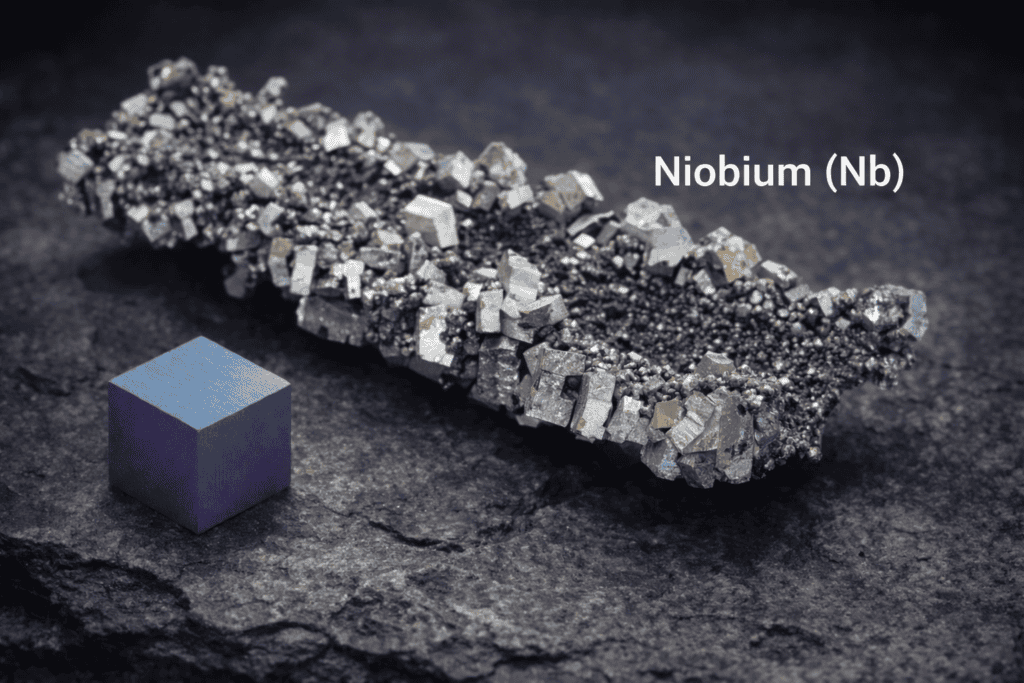
Niobium (Nb)
Niobium is one of the most powerful micro alloying elements in steel.
When niobium is added, it forms very tiny particles inside the steel. These tiny particles stop the grains from growing too large when the steel is heated. This keeps the grain size small.
Small grains are very important. Smaller grains make the steel stronger. They also make it tougher, which means it does not crack easily.
Niobium also helps control something called recrystallization. This happens when steel is hot and being rolled or shaped. Niobium slows down this process. Because of this, the grains stay fine and even.
With just a small amount of niobium, the steel can:
- Increase yield strength
- Improve toughness
- Refine the grain structure
- Improve hardenability
Vanadium (V)
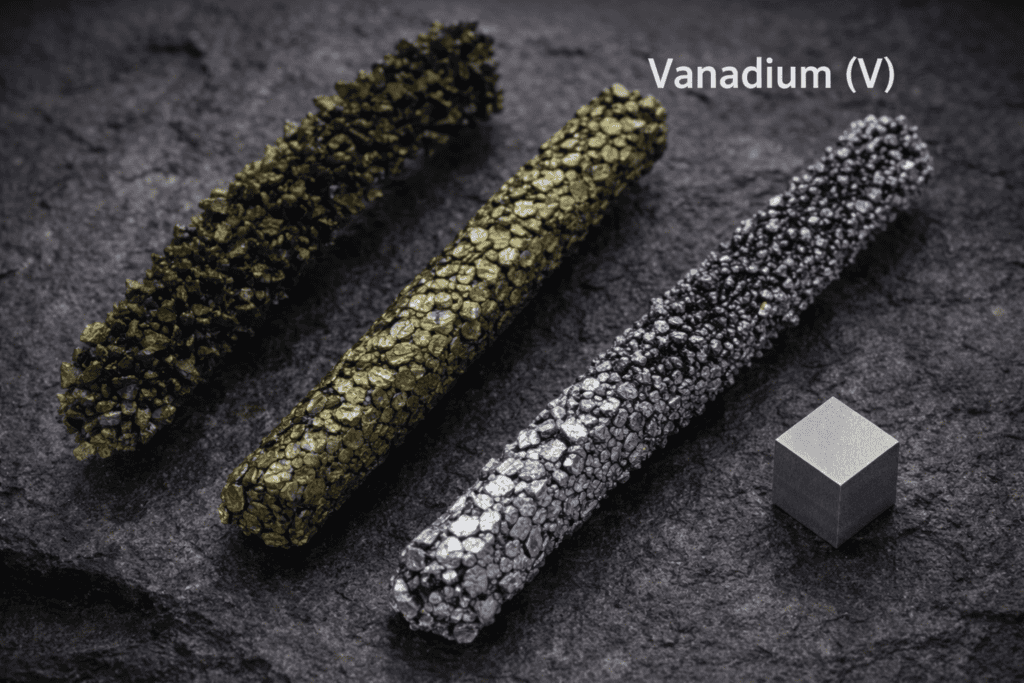
Vanadium is another important micro alloying element in steel.
When vanadium is added, it forms very small and hard particles inside the steel. These tiny particles make the steel stronger. This is called precipitation strengthening. It means small solid pieces form inside the steel and help it resist bending or breaking.
Vanadium works especially well when the steel cools down after being heated. As the steel cools, the vanadium particles form and spread evenly. This helps increase strength without making the steel too hard or brittle.
Vanadium helps steel:
- Increase strength
- Keep good toughness
- Improve wear resistance
- Improve hardenability
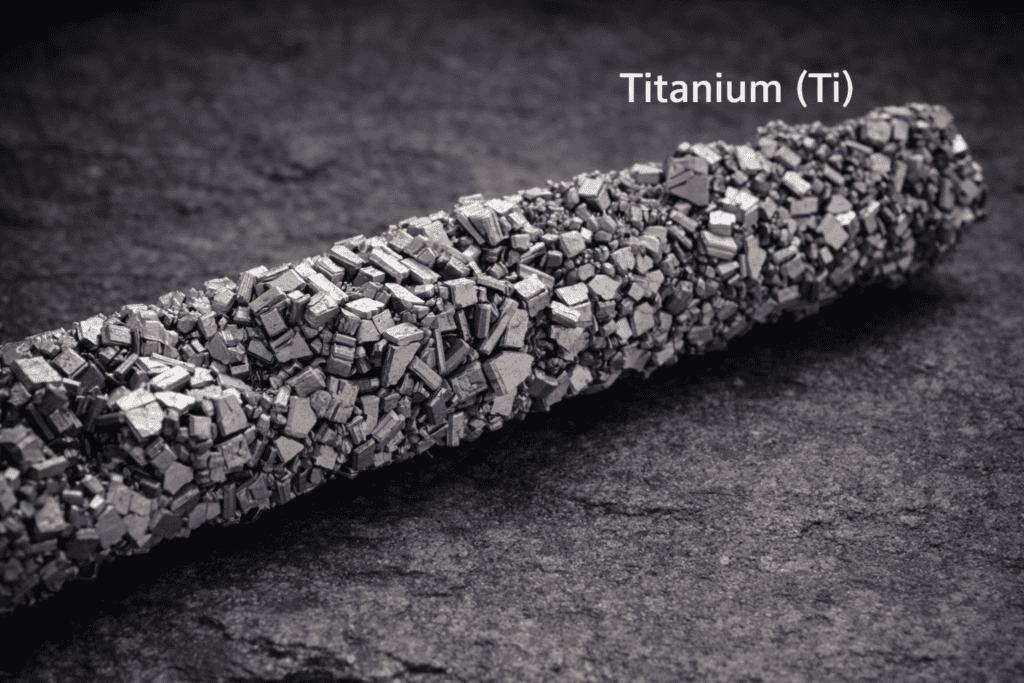
Titanium (Ti)
Titanium is another important micro alloying element.
Titanium has a special job inside steel. It helps control nitrogen. Nitrogen can sometimes cause problems in steel. If it is not controlled, it can make the steel weaker or uneven.
When titanium is added, it joins with nitrogen and forms very stable particles. These particles are strong and do not melt easily when the steel is heated. Because of this, they help control the size of the grains inside the steel.
Titanium helps stop grains from growing too big during heating. This keeps the grain structure fine and even.
Fine grains help steel:
- Stay strong
- Resist cracking
- Improve impact strength
- Improve hardenability
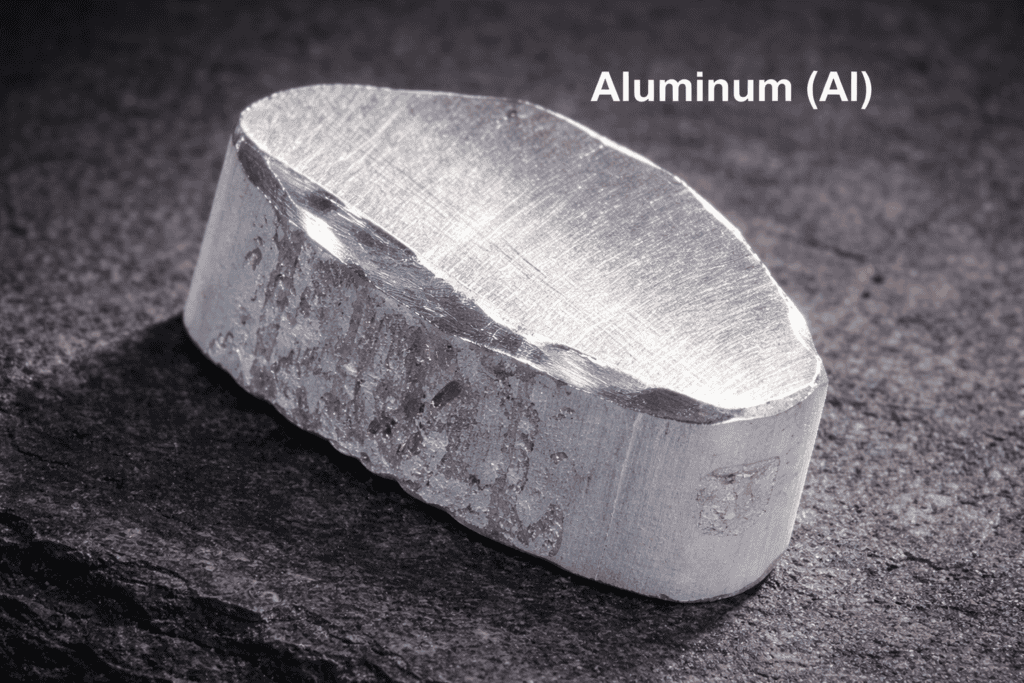
Aluminum (Al)
Aluminum is often added in small amounts during steel making.
Its first job is to remove oxygen from the steel. This is called deoxidation. Too much oxygen can cause weak spots inside the steel. Aluminum helps clean the steel by taking away this oxygen.
Aluminum can also help control grain size. It forms tiny particles that help stop the grains from growing too large when the steel is heated.
Because of this, aluminum helps:
- Make the steel cleaner
- Improve grain refinement
- Increase strength
- Improve toughness
How Micro Alloying Refines the Grain Structure
Inside steel, there are tiny crystals called grains. You cannot see them with your eyes. But they are very important. The size of these grains changes how strong the steel is.
If the grains are big, the steel is weaker. If the grains are small, the steel is stronger.
Micro alloying helps make the grains smaller.
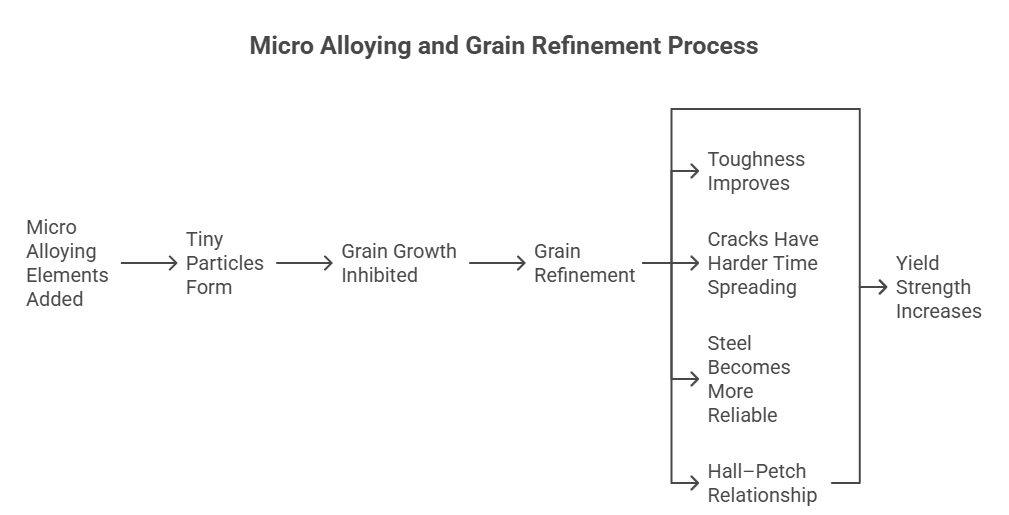
When elements like niobium, vanadium, and titanium are added, they form very tiny particles inside the steel. These tiny particles act like small pins. They stop the grains from growing too large when the steel is heated.
This is called grain refinement.
When grains stay small, several good things happen:
- Yield strength increases
- Toughness improves
- Cracks have a harder time spreading
- The steel becomes more reliable
There is also a simple rule in steel science called the Hall–Petch relationship. It says that smaller grain size means higher strength. So when micro alloying reduces grain size, strength goes up.
The Role of Inoculation Treatment in Micro Alloyed Steel
Inoculation treatment is a way to help steel become better when it cools.
When steel is very hot, it is liquid. As it cools, it turns solid. During this time, tiny grains start to form inside the steel.
If only a few grains start to grow, they can become big. Big grains can make steel weaker.
Inoculation means adding small materials into the hot liquid steel. These materials help more grains start to grow. When many grains start at the same time, they stay small.
Small grains make steel stronger and tougher.
In steel, inoculation helps control the grain structure. It is not the same as inoculation in cast iron. In steel, the goal is to make the inside structure fine and even.
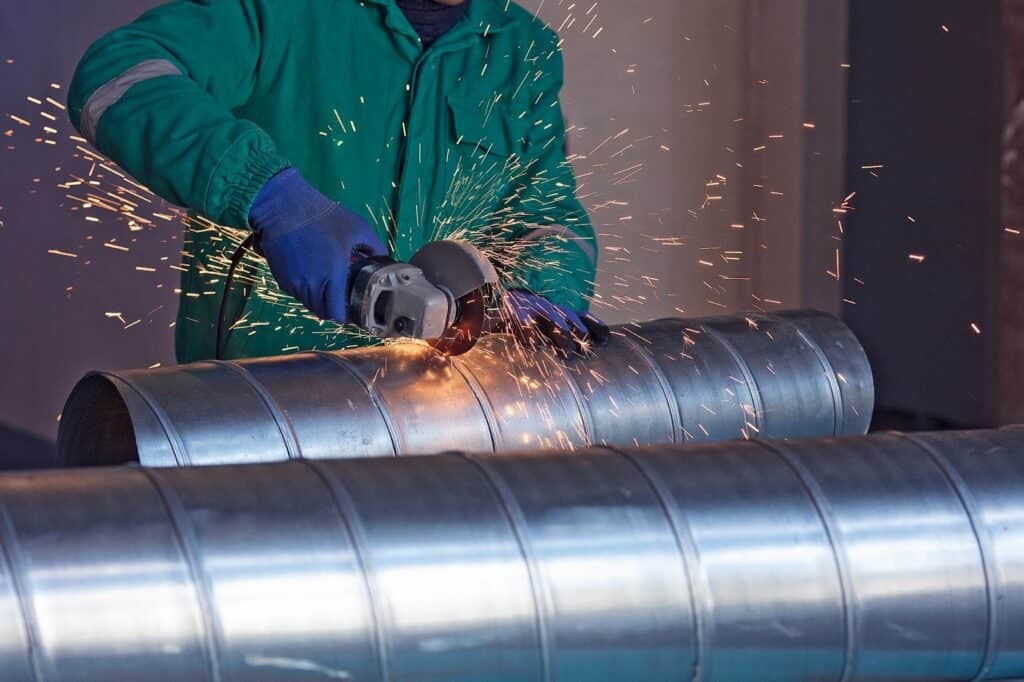
Improving Hardenability Through Micro Alloying
Hardenability means how well steel can become hard when it cools down.
When steel gets very hot and then cools, it can turn hard. But sometimes only the outside gets hard. The inside may stay soft. Good hardenability means the steel gets hard all the way through.
Micro alloying helps steel harden better.
Tiny amounts of special metals are added to the steel. These tiny pieces help make the inside grains smaller.
Small grains help the steel turn hard more easily when it cools. They also help stop soft parts from forming too fast.
Because of this, the steel does not need to cool super fast to become hard. This makes it safer and helps prevent cracks.
When micro alloying helps refine the grain structure, it also helps improve hardenability. This makes the steel stronger and more dependable.
Extending Service Life in Structural and Wear Applications
Service life means how long a part can work before it needs to be replaced.
Many steel parts are used in hard jobs. They carry heavy loads. They rub against other parts. They get hit and shaken. Over time, this can cause damage.
Micro alloying helps steel last longer.
When the grains inside the steel are small, the steel becomes stronger. Stronger steel does not bend or crack as easily. It can handle more stress.
Small grains also help stop cracks from spreading. If a crack starts, it moves more slowly. This gives the steel a longer life.
Micro alloying also helps improve wear resistance. Wear happens when surfaces rub together and slowly lose material. Stronger steel wears down more slowly.
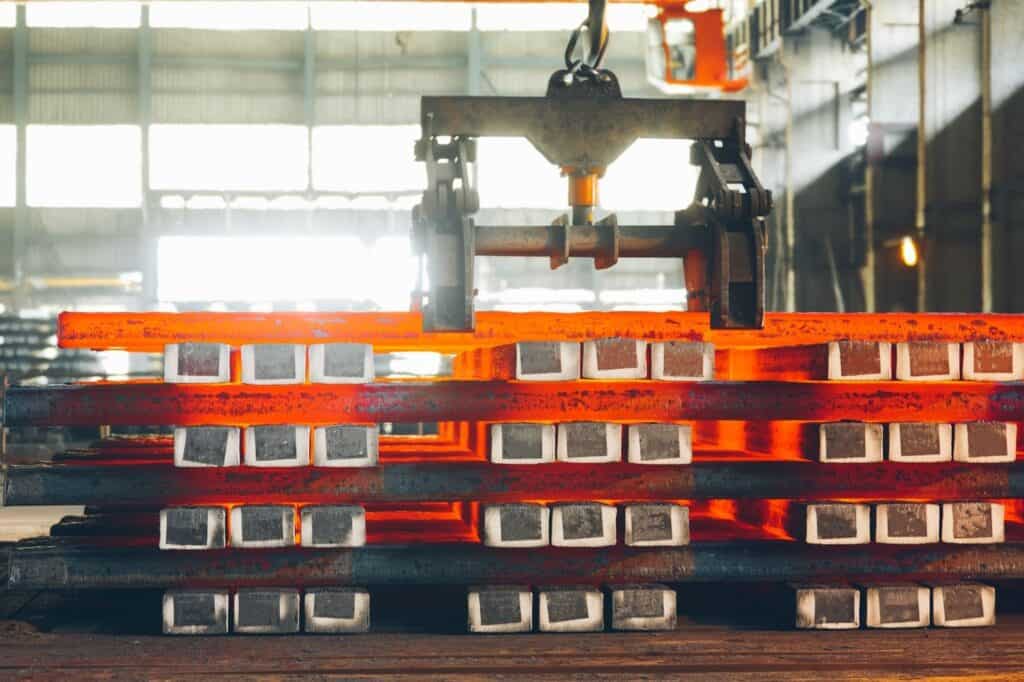
Micro Alloyed HSLA Steel vs Conventional Low Alloy Steel
Not all steel is made the same way.
Conventional low alloy steel uses larger amounts of alloy metals to make it stronger. This can work well, but it can also cost more and may need more heat treatment.
Micro alloyed HSLA steel is different. It uses very tiny amounts of special elements. These small additions help control the grain size inside the steel.
Because of this, micro alloyed steel often has:
- Smaller grains
- Higher strength
- Better hardenability
- Better toughness
- Longer service life
Industrial Applications
Microalloyed (MA) or High Strength Low Alloy (HSLA) steels constitute a vital category of advanced materials that have transformed modern industrial applications.
HSLA steels have found extensive application across numerous industrial sectors due to their exceptional combination of strength, toughness, and weldability. The versatility of these materials has enabled their adoption in demanding applications where conventional carbon steels would be inadequate.
In mining, machines dig and crush hard rocks. The parts in these machines must be very strong. Micro alloyed steel helps these parts last longer.
In cement plants, heavy parts grind and move hard materials all day. These parts face a lot of wear. Stronger steel helps reduce damage.
In buildings and bridges, steel beams hold heavy weight. Micro alloyed steel makes beams strong but not too heavy.
In cars and trucks, strong steel helps keep people safe. It also helps make vehicles lighter, which saves fuel.
Is Micro Alloying Worth the Cost?
Some people may ask, “Does micro alloying cost more?”
The answer is yes, but only a little.
Micro alloying adds very small amounts of special metals. These metals can make the steel cost a bit more at the start.
But the steel becomes stronger and lasts longer.
When steel lasts longer, companies do not need to replace parts as often. This saves money. It also saves time because machines do not need to stop for repairs.
Stronger steel can also reduce cracks and failures. This makes equipment safer and more reliable.
Even though the material cost is slightly higher, the total cost over time is often lower.
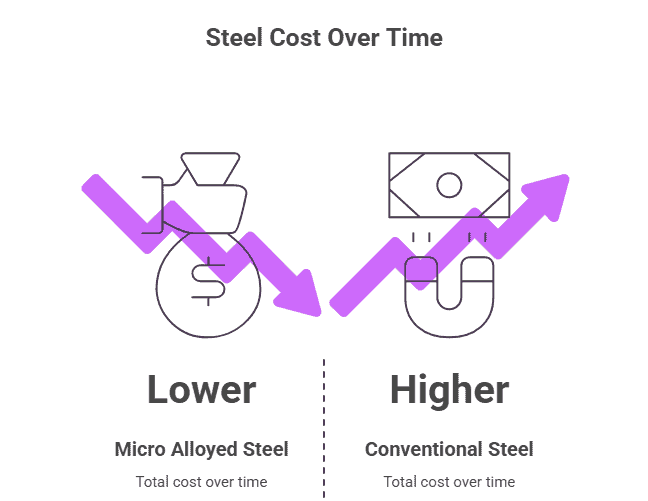
Image Alt Text:
Conclusion
Micro alloying is a smart way to make steel stronger and better.
It uses very small amounts of special elements like niobium, vanadium, titanium, and aluminum. Even though the amount is tiny, the effect is big.
Micro alloying helps make the grains inside the steel smaller. Smaller grains make the steel stronger and tougher. It also helps improve hardenability, so the steel can become hard more evenly.
Because of this, steel parts can last longer and resist wear and cracks better. This helps extend service life in many machines and structures.
Micro alloyed HSLA steel gives better strength, better performance, and longer life.
In simple terms:
Micro alloying → Smaller grains → Stronger steel → Better hardenability → Longer service life
That is why micro alloying is very important in modern high strength low alloy steel.