

AR Steel: Abrasion-Resistant Plate and Wear-Resistant Steel Guide
Many machines move rocks, sand, and other hard materials. These materials rub and hit the metal parts of the machine. After some time, the metal starts to wear out.
Many machines work with rocks, sand, and other rough materials. These materials rub and hit metal parts again and again. After some time, the metal can wear down and the machine may get damaged.
To help stop this problem, people use abrasion-resistant steel, also called AR steel. AR steel plates protect machines and help their parts last longer. They are often used in mining, construction, recycling, and farming machines.
In this guide, you will learn what AR steel is and how it helps protect machines from wear.
What Is Abrasion Resistant Steel
Abrasion resistant steel is a high-carbon alloy steel that is produced to resist wear and stress. There are several grades of abrasion resistant steel, including AR200, AR235, AR400, AR450, AR500 and AR600.
When rocks, sand, gravel, or metal pieces move across a surface, they slowly grind the metal away. This damage is called abrasion. Over time, the metal becomes thinner and weaker. Parts may crack, bend, or break.
AR steel helps stop this problem. It is made to stay hard and strong, even when it works in rough conditions.
AR steel protects machines from common types of damage, such as:
- Scraping wear – when rough materials slide across metal
- Grinding wear – when small particles slowly grind the surface
- Impact wear – when rocks or heavy materials hit the metal
- Surface damage – dents or scratches that weaken the metal
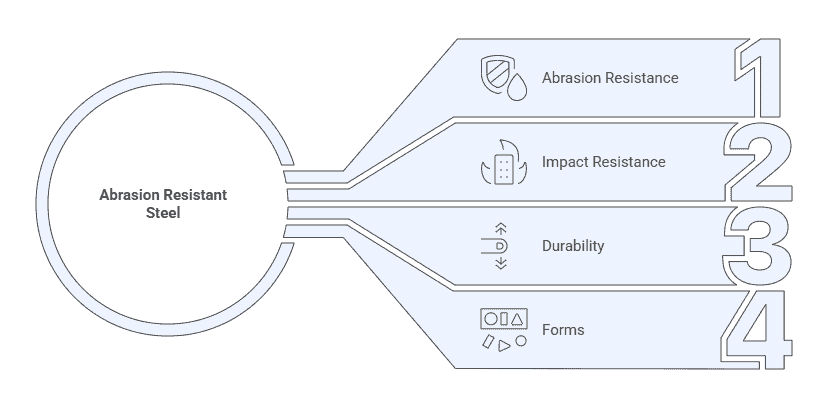
The most common forms include:
- Steel plates – flat sheets used to line machines
- Steel bars – thick pieces used in heavy parts
- Steel tubes and pipes – used where materials move through equipment
AR Steel Plate Grades and Abrasion Resistant Steel Plate Types
Abrasion resistant steel is a durable and reliable material that can protect your industrial equipment from wear and tear. To understand what abrasion resistant steel is, it’s important to break through the nomenclature in order to dissect the meaning behind terms likeAR400 orAR500. The AR at the beginning of each grade is an abbreviation for “abrasion resistant”.
Most AR steel grades are named by their hardness level. Hardness is measured using a test called the Brinell Hardness Number (BHN). A higher BHN means the steel is harder and can resist wear better.
Some common AR steel grades include:
- AR400
- AR450
- AR500
- AR550
- AR600
Below is a simple hardness guide.
AR Steel GradeTypical Hardness (BHN)AR400360 – 440AR450420 – 480AR500470 – 530AR550530 – 570AR600570 – 640
Each grade is used for different types of work. For example:
- AR400 is easier to cut, bend, and weld.
- AR500 lasts longer in very rough conditions.
There are also two main types of AR steel plates.
Commodity AR Plate
This is standard wear plate used in many industries. It is widely available and usually costs less. It works well for normal wear applications.
Alloyed AR Plate
This type of plate has extra alloy elements added to the steel. These elements help improve hardness, strength, and wear life. Alloyed plates are often used in very tough environments where machines handle heavy impact and strong abrasion.
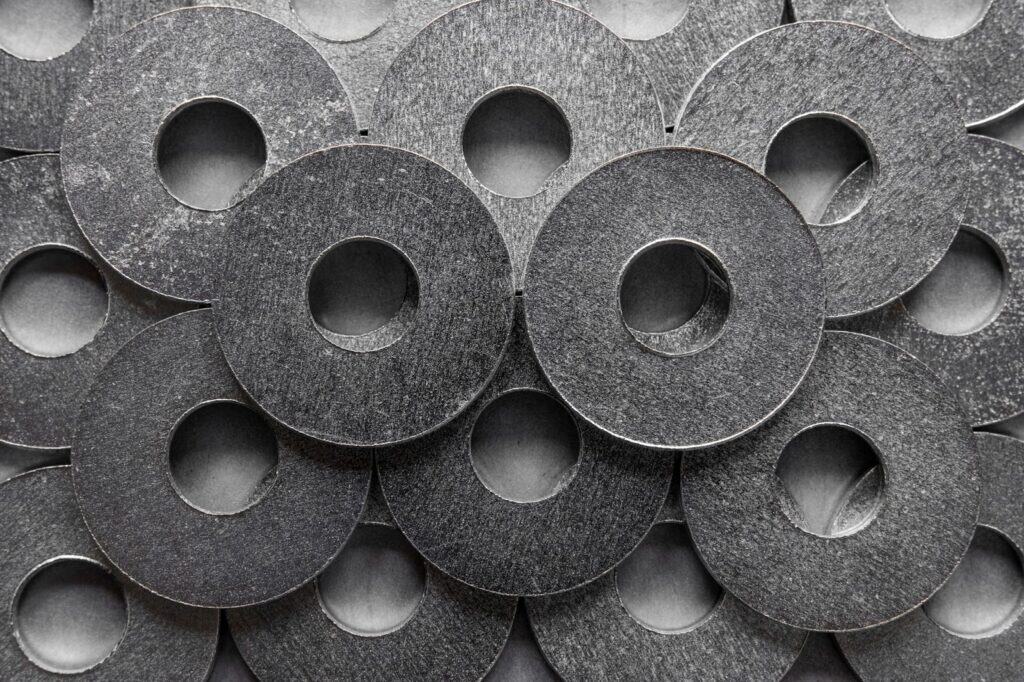
Through Hardened Wear Plate vs Surface Hardened Options
Wear plates can be hardened in different ways. The two common types are through hardened steel and surface hardened steel.
Through Hardened Wear Plate
Through hardened steel is hard all the way through the plate, not just on the outside. This means the top, middle, and bottom of the plate have almost the same hardness.
Because the whole plate is hard, it keeps its wear resistance even after the surface wears down. This makes through hardened plates strong and reliable for heavy work.
These plates are often used in places where materials hit and rub the metal at the same time, such as:
- Excavator buckets
- Dump truck beds
- Mining equipment
- Rock crushers
Surface Hardened Wear Plate
Surface hardened steel is different. Only the outer layer of the plate is very hard. The inside of the plate is softer.

Key Factors in Choosing an Abrasion Resistant Wear Plate
The unique properties of alloyed abrasion resistant steel plates come from the precise addition of certain elements during the steel manufacturing process. The main benefits that set alloyed steel plates apart from the rest is the chemical elements with which they are alloyed.
Abrasion resistant steel plates are made from steel that is alloyed with elements like carbon and manganese. Alloyed abrasion resistant plates benefit from the additional elements chromium, nickel, boron, titanium and others.
Level of Abrasion
First, think about how much abrasion the steel will face. Abrasion happens when rough materials like sand, gravel, or rocks rub against the metal.
Light abrasion may only need a lower grade like AR400. Very heavy abrasion may require harder steel like AR500 or AR600.
Impact and Shock Loads
Next, consider how much impact the steel will face. Impact happens when heavy materials hit the metal surface.
Some equipment handles large rocks or heavy loads. In these cases, the steel must be strong enough to handle both wear and impact without cracking.
Weldability and Repair
Wear plates often need to be cut, welded, or repaired. Some very hard steels can be harder to weld or shape.
Grades like AR400 and AR450 are easier to weld and work with. Harder grades may need special welding methods.
Cost vs Life of the Plate
Price is also important, but it should not be the only factor. A cheaper plate may wear out faster and need to be replaced often.
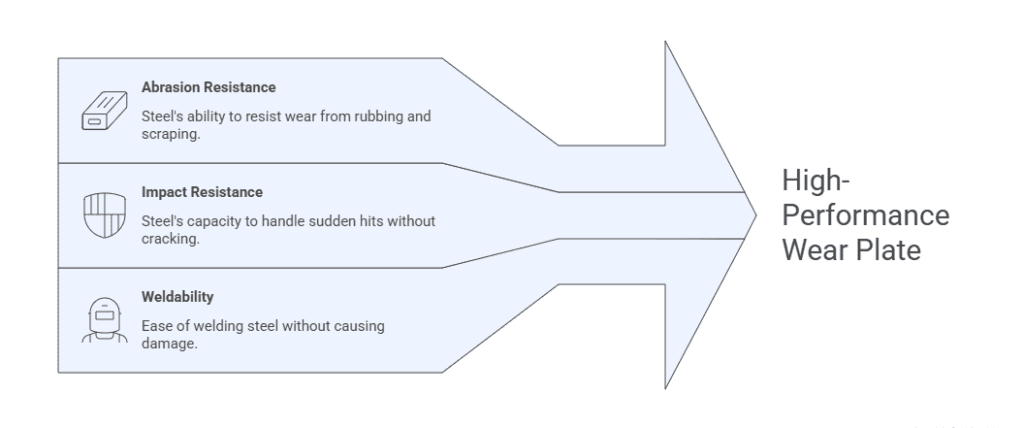
Abrasion Resistance, Impact Resistance, and Weldability for Resistant Steel Plate
When choosing a wear plate, three important things to understand are abrasion resistance, impact resistance, and weldability. These factors help decide how well the steel will perform in tough work conditions.
Abrasion Resistance
Abrasion resistance means how well the steel can stop wear from rubbing and scraping.
The hardness of steel is measured using the Brinell Hardness Number (BHN). This test presses a hard ball into the steel to see how strong the surface is.
- A higher BHN means the steel is harder.
- Harder steel usually resists wear better.
For example, AR500 steel is harder than AR400, so it often lasts longer in rough environments.
Impact Resistance
Impact resistance means how well the steel can handle sudden hits or heavy loads without cracking.
One common test used to measure this is the Charpy impact test. This test checks how much energy the steel can absorb before it breaks.
Good impact resistance is important in machines that handle large rocks, heavy materials, or strong shock loads.
Weldability
Weldability means how easy it is to weld the steel without causing damage.
Because AR steel is very hard, welding must be done carefully. Some basic welding practices include:
- Preheating the steel before welding
- Using low-hydrogen welding rods or wire
- Allowing the metal to cool slowly
Structural Applications and Steel Plate Uses
Wear plates are used in many machines that work with hard and rough materials. These plates help protect equipment from damage and help machines last longer.
Structural Applications
In some machines, wear plates also help support the machine’s structure. They make the machine stronger while also protecting it from wear.
Some common uses include:
- Dump truck beds
- Excavator and loader buckets
- Bulldozer blades
- Mining truck bodies
- Heavy equipment frames
Mobile Equipment Uses
Mobile machines move materials like soil, gravel, and rocks every day. These materials can rub and hit the metal parts of the machine.
AR steel is often used in parts such as:
- Bucket liners
- Side walls of dump trucks
- Loader blades
- Farm earth-moving tools
Stationary Processing Equipment
Wear plates are also used in machines that stay in one place but still handle rough materials.
Examples include:
- Chutes that guide materials
- Hoppers that hold rocks or sand
- Crushers that break large stones
- Conveyor transfer points
- Cement and recycling plant machines
Fabrication, Cutting, and Welding of Wear Resistant Steel
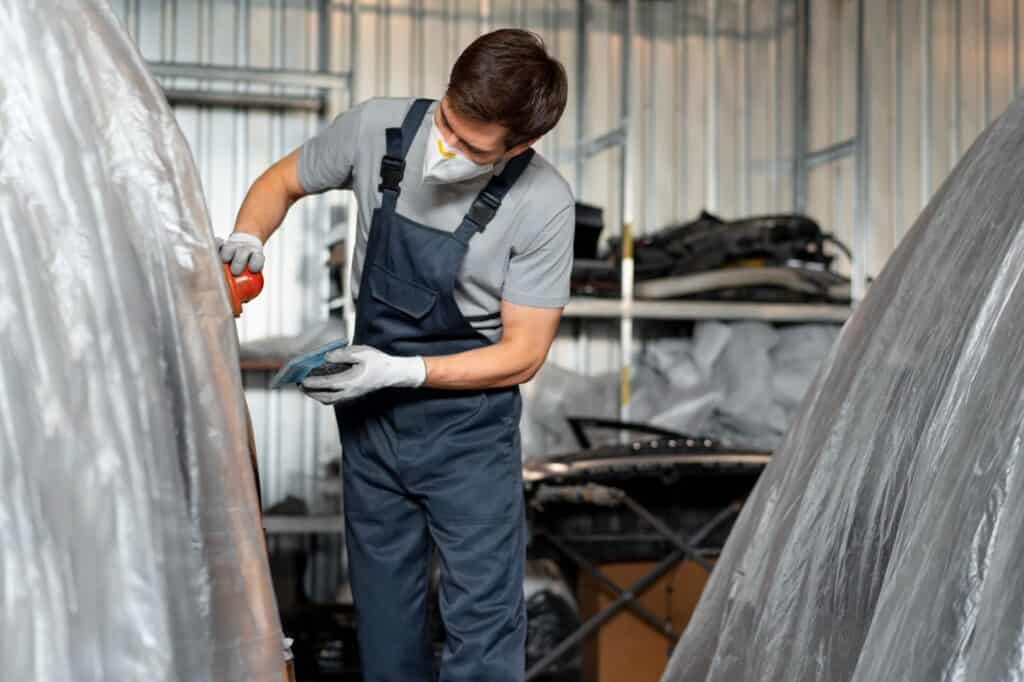
Wear-resistant steel plates are very strong, but they can still be cut, shaped, and welded. Because the steel is hard, workers must use the right methods.
Cutting AR Steel Plate
There are different ways to cut AR steel. The best method depends on the plate thickness and tools available.
Common cutting methods include:
- Laser cutting – makes clean and accurate cuts
- Plasma cutting – works well for many plate sizes
- Oxy-fuel cutting – often used for thicker plates
- Waterjet cutting – cuts without heat and helps prevent cracks
Welding Wear Resistant Steel
AR steel plates can be welded, but it must be done carefully. Because the steel is very hard, poor welding can cause cracks.
Good welding practices include:
- Cleaning the metal before welding
- Heating thicker plates before welding
- Using low-hydrogen welding rods or wire
- Controlling the heat during welding
Forming and Bending Limits
Harder wear plates are harder to bend or shape.
Plates like AR500 or AR600 need more care when bending. Softer grades like AR400 are easier to bend and shape during fabrication.
Best Practices for Installing Wear Plate and Wear-Resistant Steel Liners
Installing wear plates the right way helps machines work better and last longer. Poor installation can cause plates to loosen, crack, or wear out too quickly.
Surface Preparation
Before installing a wear plate, the surface must be prepared carefully.
Important steps include:
- Clean the surface to remove dirt, oil, and rust
- Remove old welds or damaged metal
- Make sure the surface is flat and smooth
- Check that the plate fits the area correctly
Good preparation helps the plate stay secure and perform better.
Bolting vs Welding
Wear plates can be installed using bolts or welding. The best choice depends on the job.
Bolting
Bolting is useful when plates need to be replaced often. Workers can remove the bolts and install a new plate quickly.
Common benefits of bolting include:
- Easy replacement
- Less heat damage to the steel
- Faster maintenance
Welding
Welding is used when a permanent and strong connection is needed. Welded plates are often used in places where movement must be avoided.
Using Gaskets or Shims
Sometimes small gaps or uneven surfaces can cause problems during installation. To fix this, workers may use shims or gaskets.
These materials help:
- Keep plates level
- Reduce vibration
- Improve the fit between the plate and the machine surface

Comparing Wear Plate Products and AR Steel Plate Brands
Many companies make wear plates. At first, two plates may look the same. They may even have the same grade, like AR400 or AR500. But their quality and performance can still be different.
Because of this, buyers should compare wear plates carefully before choosing one.
How to Compare Wear Plates
A simple way to compare wear plates is to look at a few key points.
Important things to check include:
- Hardness level – harder plates usually resist wear better
- Impact strength – strong plates resist cracking from heavy hits
- Weldability – some plates are easier to weld and repair
- Plate quality – flatness, thickness accuracy, and surface finish
- Availability – how easy it is to get the plate when needed
- Cost vs service life – how long the plate lasts compared to its price
Through-Hardened Steel vs Work-Hardening Steel
There are also different types of wear-resistant steels.
Through-hardened steel
This type of steel is hard through the entire plate. It stays strong even after the surface wears down. Most AR steel plates fall into this group.
Work-hardening steel
This steel becomes harder when it is hit many times. A common example is manganese steel. It is often used in crusher parts and other high-impact equipment.
Trade-Offs Between Brands
Different brands may offer different benefits. Some plates may focus on:
- Higher hardness
- Better impact resistance
- Easier fabrication
- Longer wear life
But stronger or harder plates may also cost more or be harder to weld.
Spec Sheets, Hardness, and Testing for Wear Resistant Steel Plate
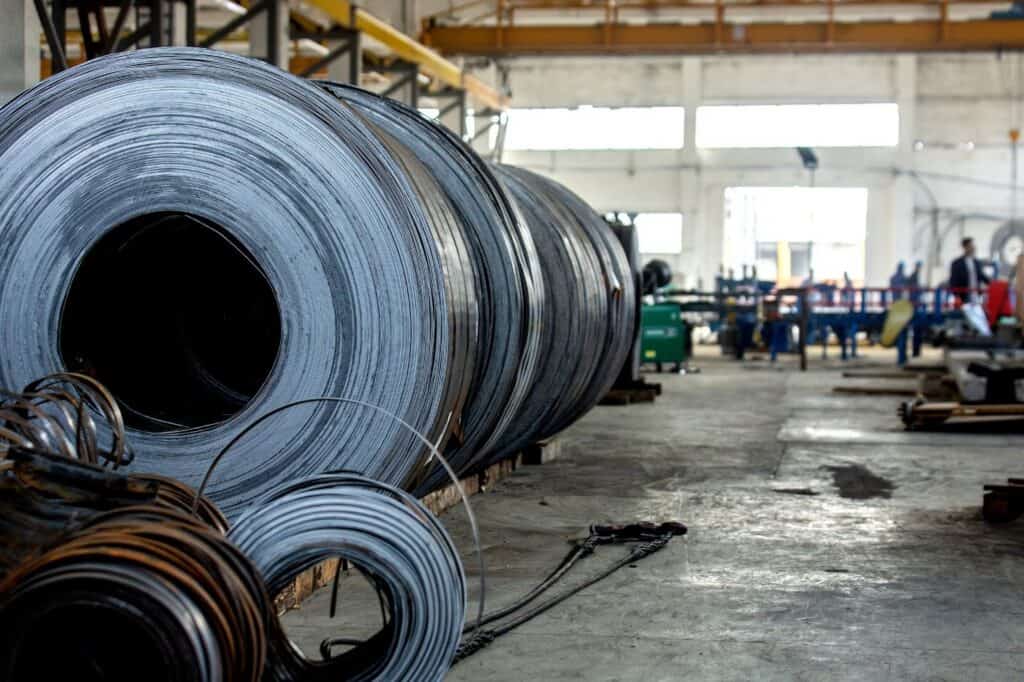
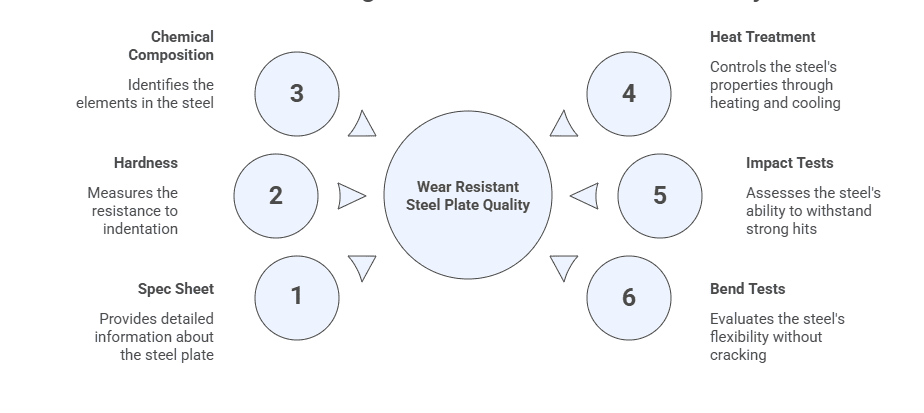
Before buying wear plates, it is important to check the spec sheet. A spec sheet shows the important details about the steel. It helps buyers know if the plate is strong enough for the job.
Hardness Through the Plate
One important thing to check is the hardness through the thickness of the plate. Good wear plates should stay hard not only on the surface but also inside the plate.
If only the surface is hard, the plate may wear out faster once the top layer is gone.
Hardness is usually measured using the Brinell Hardness Number (BHN) test.
Chemical Composition
The spec sheet should also show the chemical composition of the steel. This tells what elements are used in the metal.
Some common elements include:
- Carbon
- Manganese
- Chromium
- Nickel
These elements help improve the steel’s hardness, strength, and wear resistance.
Heat Treatment Information
Wear plates are usually made using a process called heat treatment. In this process, the steel is heated and then cooled in a controlled way.
Impact and Bend Tests
Some suppliers also provide test results to show the steel’s strength.
Common tests include:
- Impact tests – check how well the steel handles strong hits
- Bend tests – check how much the steel can bend without cracking
Buying Guide: Selecting Abrasion Resistant Steel Plates and Suppliers
Choosing the right supplier is just as important as choosing the right steel plate. A good supplier provides strong, reliable steel and clear product information.
Questions to Ask Suppliers
Before buying wear plates, buyers should ask a few important questions.
Some helpful questions include:
- Can you provide mill test certificates for the steel?
- What hardness range does the plate meet?
- What steel grade and chemical composition are used?
- What are the lead times for delivery?
- Do you provide technical support for welding or fabrication?
Ordering Test Coupons
Before placing a large order, it can be helpful to request test coupons. Test coupons are small samples of the steel plate.
Engineers can test these samples to check:
- Hardness
- Strength
- Weldability
- Wear performance
Testing small samples helps reduce risk before buying large quantities.
Checking Lead Times and Availability
Wear plates are often needed quickly for repairs or production work. Because of this, buyers should also check:
- If the supplier has the plates in stock
- How long it takes to cut and deliver the plates
- Whether the supplier can provide large quantities when needed
Maintenance, Inspection, and Repair of Wear Plates
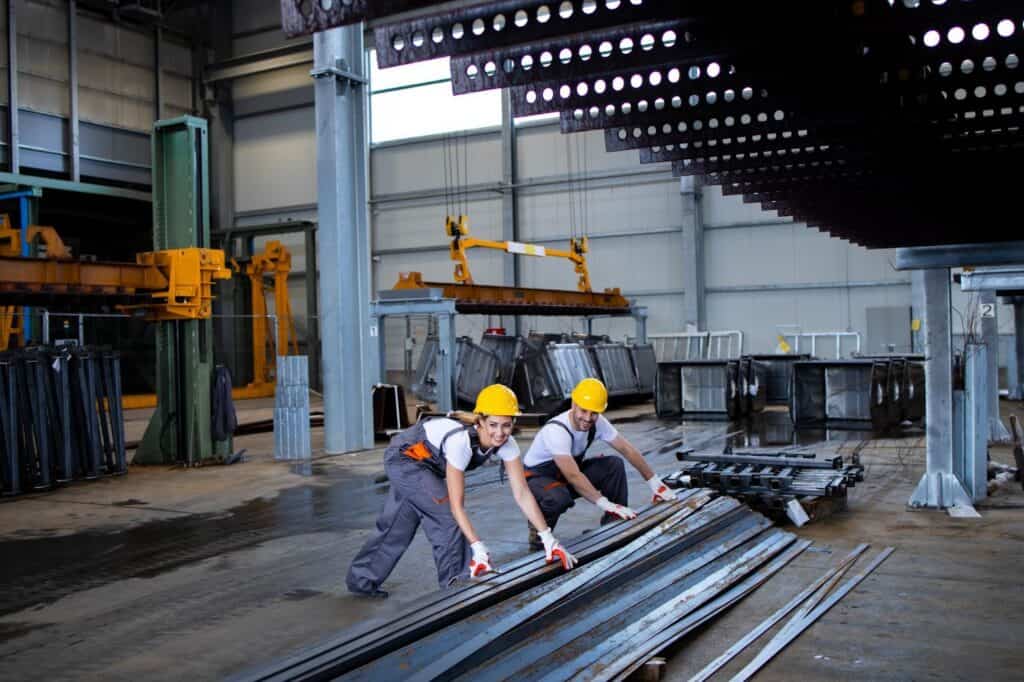
Clad wear plates are indispensable components used in various industries, such as mining, construction, and manufacturing, due to their exceptional durability and resistance to abrasion. These plates play a significant role in safeguarding heavy machinery from wear and tear. However, like any other equipment, proper installation and regular maintenance are essential to maximize their lifespan and optimize performance.
Regular Wear Inspections
Wear plates should be inspected on a regular schedule. Some areas of a machine wear faster than others, so each location should be checked carefully.
Common places to inspect include:
- Bucket edges and liners
- Chutes and hoppers
- Crusher liners
- Conveyor transfer points
Regular checks help workers find damage before it becomes a serious problem.
Measuring Wear
To track wear, workers measure the thickness of the plate over time.
Simple tools can be used, such as:
- Calipers
- Rulers
- Ultrasonic thickness gauges
Planning Repairs and Replacement
When a wear plate becomes too thin, it may need to be repaired or replaced. Waiting too long can damage the machine underneath the plate.
Maintenance teams usually set a minimum thickness level. When the plate reaches this level, it should be replaced.
Planning repairs early helps:
- Prevent machine damage
- Reduce unexpected downtime
- Keep equipment working safely and efficiently.
Inside the Foundry: The Power of Custom Cast Wear Parts
Many companies sell flat wear plates. These plates work well for many machines. But some machines need parts with special shapes.
This is where custom cast wear parts help.
In a foundry, metal is melted until it becomes liquid. Then the hot metal is poured into a mold. When the metal cools, it becomes a strong part.
This process helps engineers make shapes that are hard to make with flat steel plates.
Some custom cast parts include:
- Large gear sleeves
- Crusher parts
- Heavy liners
- Machine parts with special shapes
For example:
- Chromium helps the steel resist wear
- Nickel helps make the steel strong
- Manganese helps the steel handle heavy hits
The video “From Molten Alloy to High-Performance Mastery” shows how hot metal is turned into strong wear parts. It also shows how skilled engineers make these parts in the factory.
Appendix: Glossary and Terms for Abrasion-Resistant Steel Plate
BHN (Brinell Hardness Number)
BHN is a number that shows how hard a steel plate is. In the test, a hard ball is pressed into the steel to see how strong the surface is.
- A higher BHN means the steel is harder.
- Harder steel usually wears out more slowly.
Through Hardened Steel
Through hardened steel means the plate is hard all the way from the top to the bottom.
This helps the plate stay strong even after the top surface begins to wear.
Work-Hardening Steel
Work-hardening steel gets harder when it is hit again and again during use.
For example, manganese steel becomes harder when it handles heavy impact.
Abrasion
Abrasion is damage that happens when rough things rub or scrape metal.
Materials like rocks, sand, and gravel can cause abrasion in machines.
Quick Hardness Reference Chart
Steel GradeTypical Hardness (BHN)AR400360 – 440AR450420 – 480AR500470 – 530AR550530 – 570AR600570 – 640
This chart shows the hardness of common AR steel plates. Harder steel usually lasts longer in rough conditions, but it may be harder to bend or weld.
